loading
Why buy Yu-Gi-Oh! from Japan?
✦ Japan buying expertsJapan is one of the most active places to find Yu-Gi-Oh! cards, sealed products, and collector merchandise, from current Japanese OCG releases to older promotional cards and anime goods. Japanese marketplace listings can offer a wider mix of single cards, complete decks, booster boxes, sleeves, figures, and character items than many overseas stores. On JPFinds, you can browse live listings from Mercari, JDirectItems, Amazon Japan, Surugaya, and Minne with translated titles and listing details. For cards, look closely for useful Japanese condition terms such as 未開封 (unopened), 美品 (excellent condition), 初版 (first edition), and PSA鑑定 (PSA graded). Photos remain especially important for vintage cards, foil surfaces, corners, and sealed packaging. Your first payment covers the item and service fee; after items arrive at the Japan warehouse, you can consolidate orders during up to 30 days of free storage and choose an international shipping method for the second payment.
All-in-oneEvery major Japanese marketplace, one account
30 daysFree storage & consolidation
MultipleShipping methods · you choose speed & budget
AutoListings translated · shop like a local
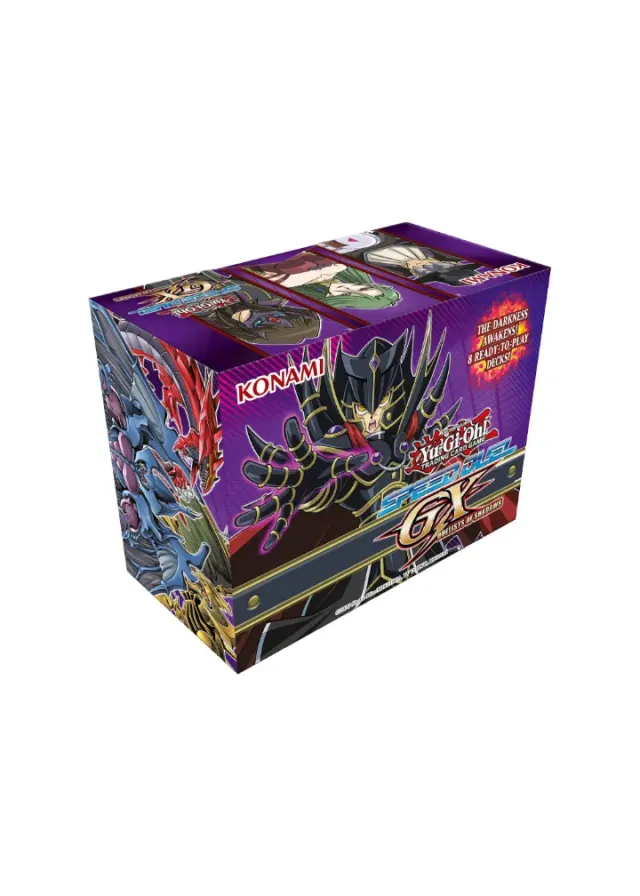
Yu-Gi-Oh Characters on Mercari
JPFinds Shopping Process
New to shopping from Japan? Get your items shipped home in five steps.
01STEPSearch
Review the Japanese original or an available translation, then add the item to your cart.
02STEPShopping
Pay the 1st payment (item + service fee) and we purchase it for you in Japan.
03STEPWarehouse
Your items arrive at our Japan warehouse and enjoy up to 30 days of free storage.
04STEPPayment
Pay the 2nd payment (international shipping) and we ship your order worldwide.
05STEPDelivery
Your package is delivered to your door — delivery time depends on the shipping method you choose.
A Buyer’s Guide to Yu-Gi-Oh! Cards and Collectibles from Japan
Japan Marketplace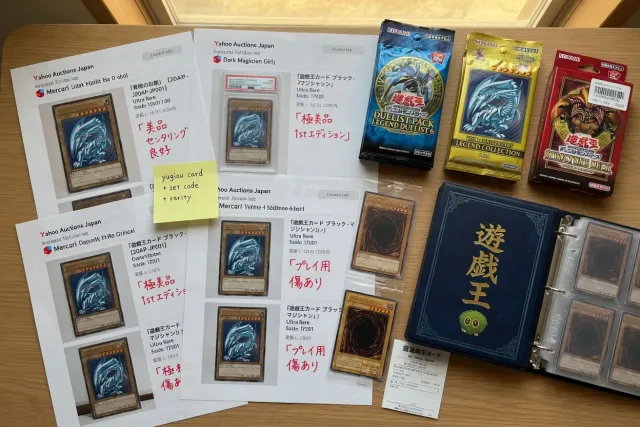
1Buying Japanese Yu-Gi-Oh! Cards
Japan is one of the most active places to shop for Yu-Gi-Oh!, from single cards and tournament-era releases to sealed products, accessories, and character goods. Japanese marketplaces often list cards individually, making them especially useful when you need a specific monster, rarity, artwork, or printing rather than a random pull. Start with the Japanese search term 遊戯王カード, then add a card name, set code, rarity, or condition word to narrow the results.
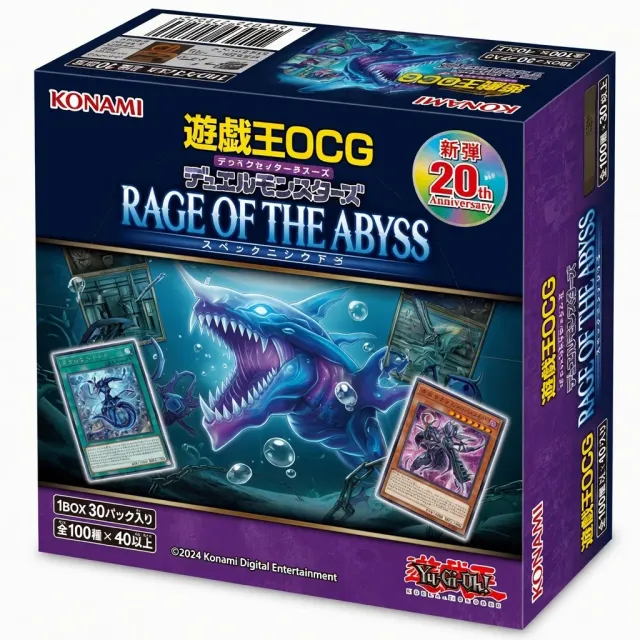
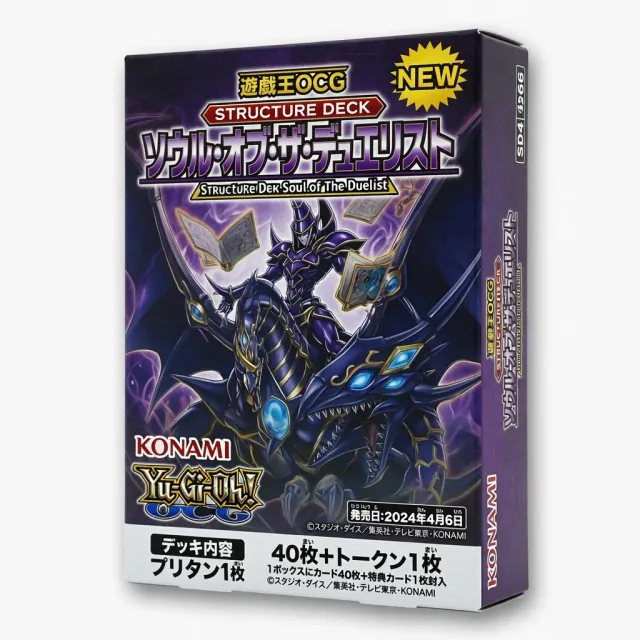
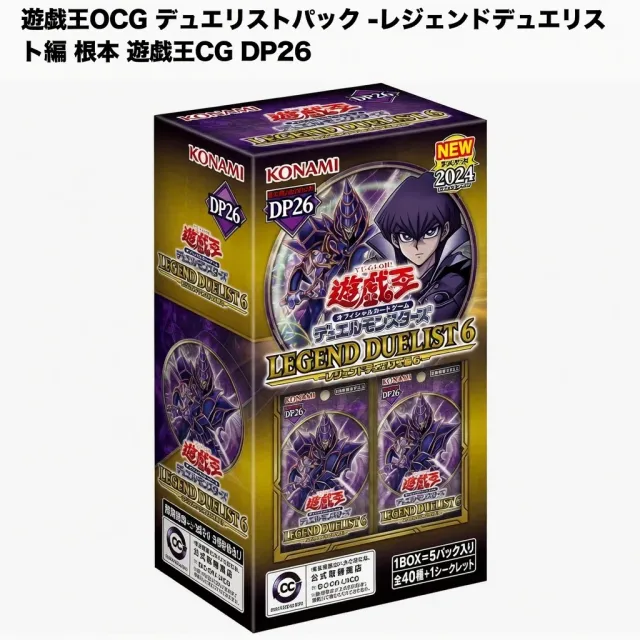
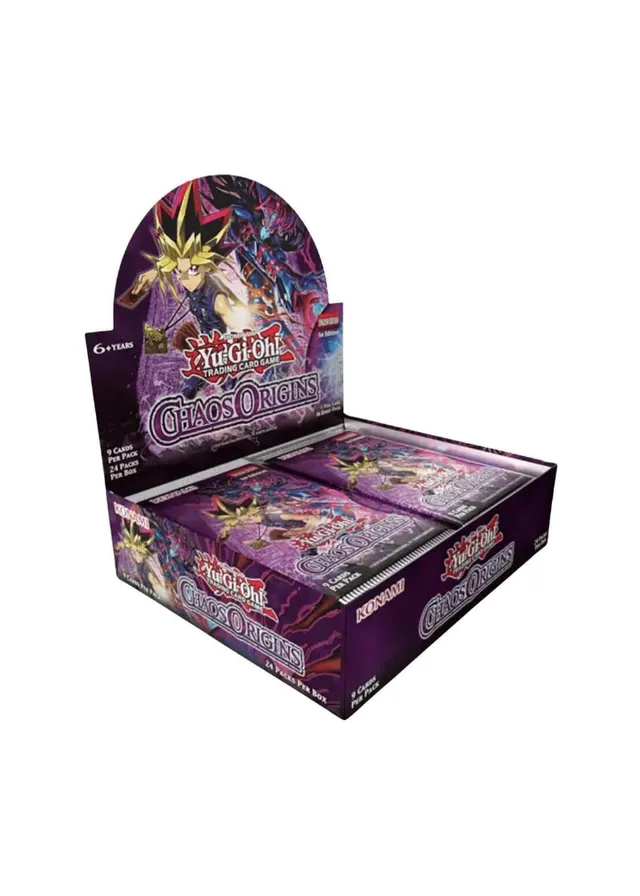
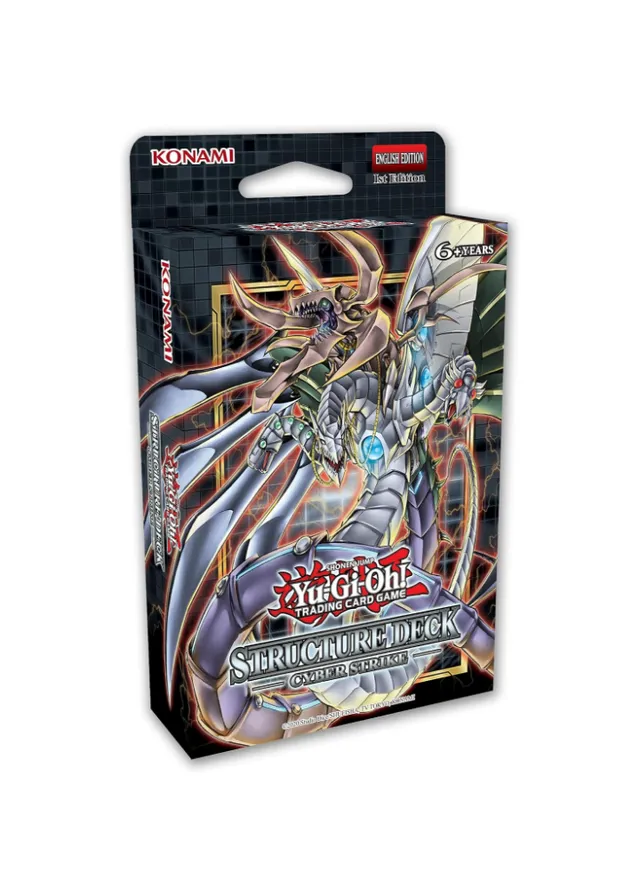
For singles, browse Yu-Gi-Oh Cards and compare multiple listings before purchasing. Sellers may price the same card very differently depending on centering, foil condition, edition, or whether it has professional grading. Sealed collectors can explore Booster Boxes, while players looking for a faster starting point may prefer Structure & Starter Decks.
Japanese cards can offer a meaningful price gap versus overseas listings when supply is deeper in Japan, especially for domestic promos, older OCG printings, and used lots. However, low prices are not automatically bargains: always account for domestic shipping, international postage, card condition, and whether the card is Japanese-language or an English-Language Card listed by a Japanese seller.
Listing Details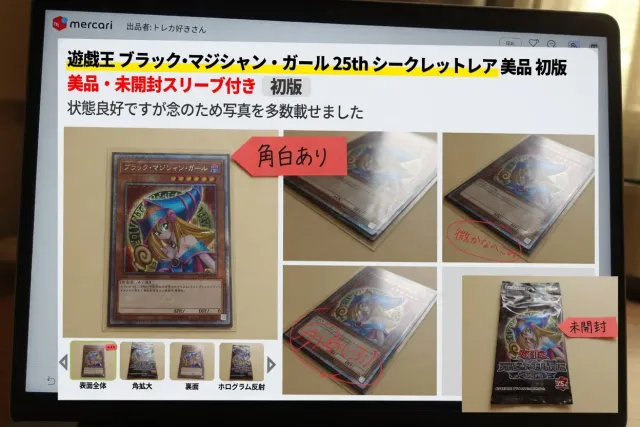
2Reading Condition and Listing Details
Japanese marketplace listings can be highly detailed, but condition language still needs careful reading. 美品 generally means the seller considers an item to be in beautiful or excellent condition; it is useful shorthand, not a universal grading standard. Check every available photo for corner whitening, edge wear, scratches, dents, bends, print lines, and clouding on foil surfaces. For higher-value cards, compare the front, back, and close-up images rather than relying on a title alone.
未開封 means unopened or sealed. For booster boxes, decks, sleeves, and promotional packs, look for photos of the shrink wrap, seals, and box edges. A listing marked 初版 refers to a first printing or first edition in the context used by that seller, so verify the set details and card code before treating it as a premium attribute. PSA鑑定 indicates a PSA-graded item; confirm the slab label and certification details shown in the listing.
Photos also reveal practical collecting issues such as warped cards, storage impressions, missing inserts, or box damage. This matters for more than singles: examine listings for Binders & Storage, Card Sleeves, and collectibles with original packaging. Save the listing images and description for your records before placing an order.
Rarity Guide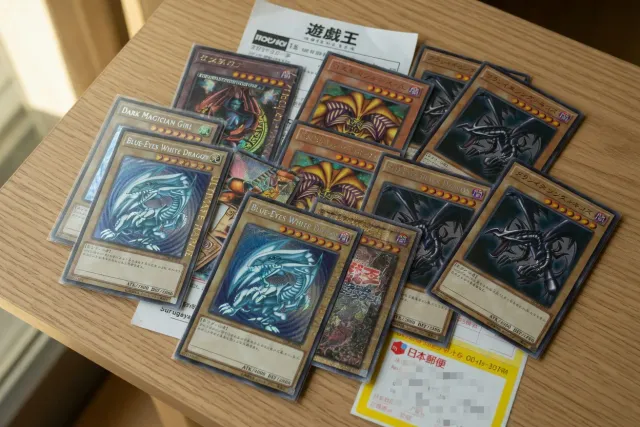
3Editions, Rarity, and Printings
A Yu-Gi-Oh! card’s value is rarely determined by the character alone. The combination of card name, set code, language, rarity, printing, condition, and demand is what matters. Read the set code printed on the card and match it to the listing title and photographs. Similar-looking cards can have very different market values when one is an early printing, a limited promotion, an Ultimate Rare, a collectible foil treatment, or a card from a short-supplied product.
Japanese OCG releases are not interchangeable with TCG cards. They may have different card text, release timing, foil patterns, set codes, and collector demand. Japanese cards are often appealing for original artwork presentation and domestic-only releases, while players should confirm whether a card is permitted in the format they intend to play. If you are building rather than collecting, browse complete Yu-Gi-Oh! Decks carefully: a deck lot may be inexpensive because it contains reprints, worn cards, or cards no longer useful for a particular format.
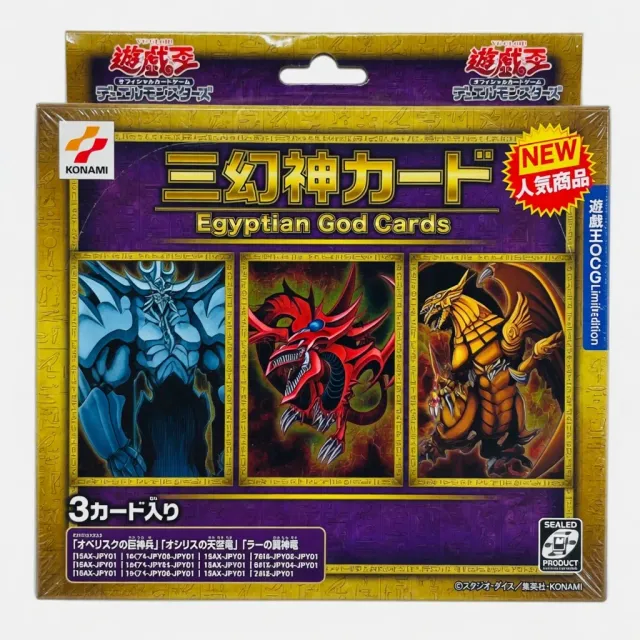
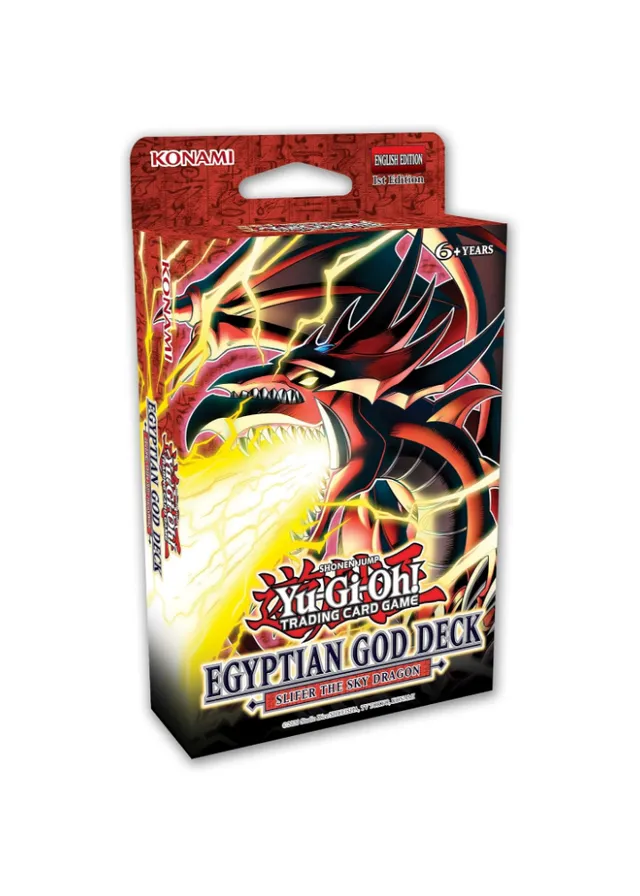
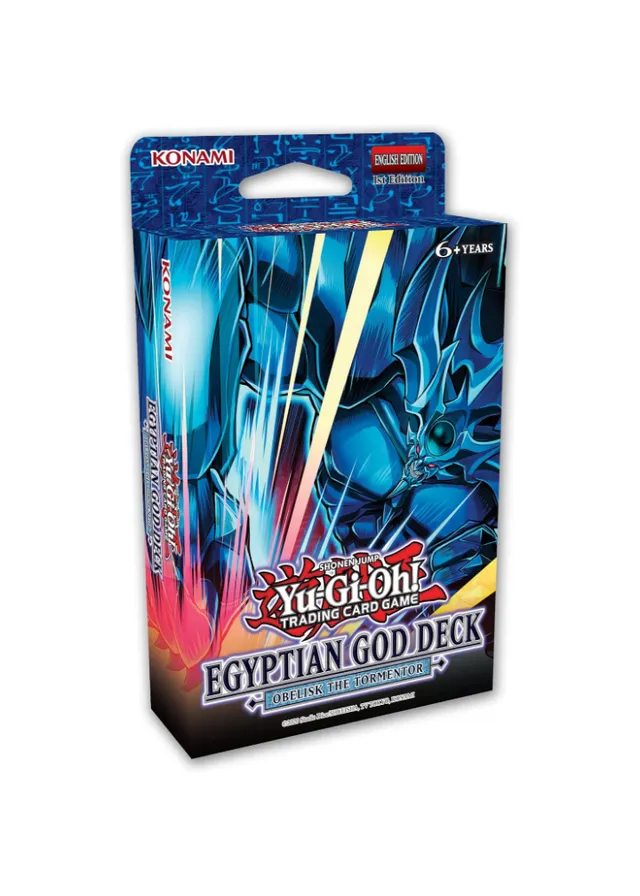
For display-focused collecting, iconic releases such as Egyptian God Cards can vary dramatically by release and finish. Do not assume every foil card is rare, or every old card is valuable. Compare completed-market pricing where available, review the exact printing, and prioritize clear photos over vague claims such as ·rare· or ·vintage.·
Global Delivery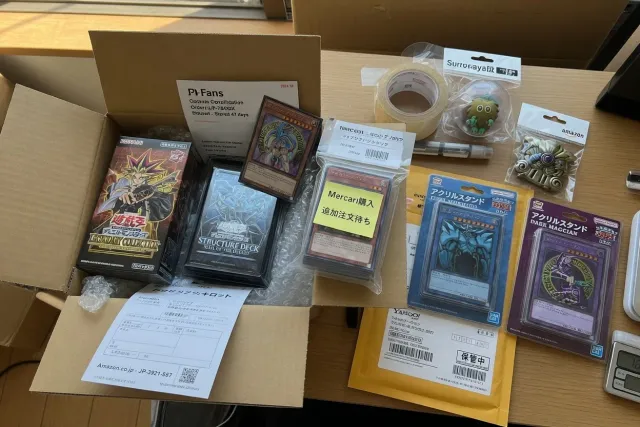
4Consolidation and Worldwide Shipping
Shopping across Japanese marketplaces is most efficient when you plan purchases as one shipment. JPFinds lets you buy items from supported stores and marketplaces, then keep them in storage for up to 30 days free while you wait for additional orders. This can be useful when collecting several single cards, a sealed product, and smaller goods such as Acrylic Stands, Keychains, or Gachapon.
With JPFinds· two-payment system, purchase-related costs are handled first, while international shipping is paid after your items are ready to send. That structure helps when item sizes and final parcel weight are unknown at checkout, particularly for booster boxes, deck lots, binders, and boxed figures. Once your orders are consolidated, choose from available worldwide carrier options based on the destination, parcel size, tracking needs, and budget.
Keep customs planning in mind before buying. Import taxes, duties, and restricted-item rules are set by the destination country, and any charges assessed on arrival are generally the recipient’s responsibility. Cards are usually straightforward collectibles, but large sealed orders can increase declared value and parcel weight. For the best shipping value, combine compatible purchases, avoid buying oversized storage items unless needed, and consider whether sealed packaging or original boxes are important enough to justify the extra space.
Yu-Gi-Oh! collecting guides
 Beginner
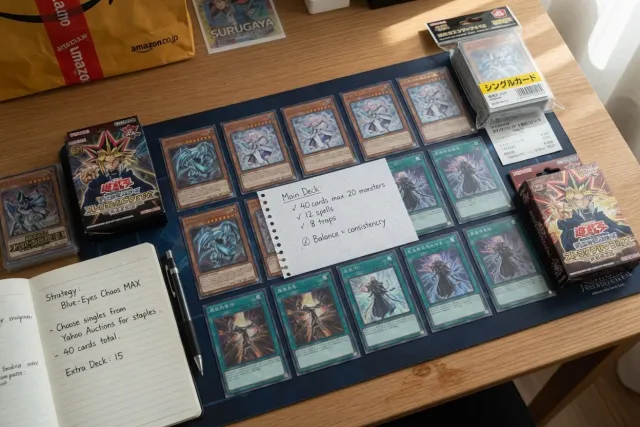
How to Build a Yu-Gi-Oh Deck
Learn the core deck-size rules, card balance basics, and how to choose Japanese singles or ready-made decks for your strategy.
Read guide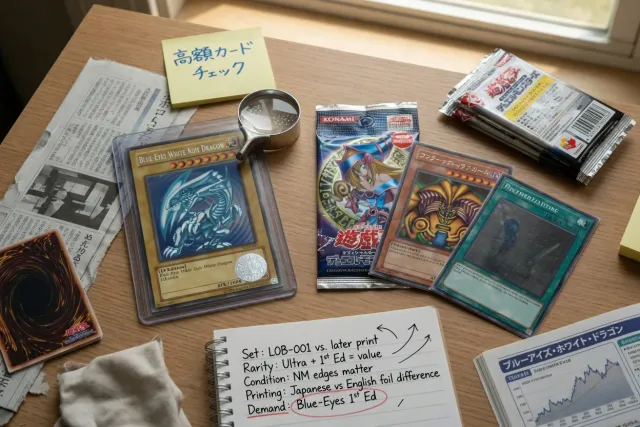 Value
How to Find Valuable Yu-Gi-Oh Cards
Understand the set, rarity, condition, printing, and demand signals that can make one Yu-Gi-Oh card more collectible than another.
Read guide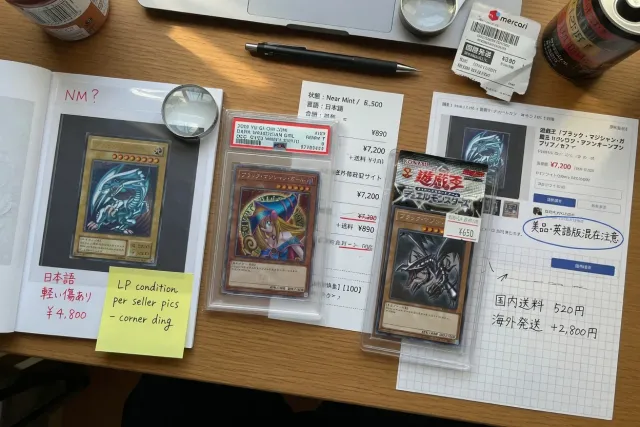 Collecting
Understanding Yu-Gi-Oh Card Prices
Compare Japanese card listings with confidence by looking beyond the headline price at condition, language, grading, and shipping factors.
Read guideFrequently asked questions
QAre Yu-Gi-Oh! cards worth anything?
Some Yu-Gi-Oh! cards can be valuable, especially scarce promotional cards, sought-after high rarities, early printings, professionally graded cards, and cards in excellent condition. Most cards are not high-value on their own, so check the exact set code, rarity, language, and condition before estimating a price.
QWhich Yu-Gi-Oh! packs can contain valuable cards?
Packs and boxes with valuable cards tend to be older sets, limited promotional releases, premium rarity products, or sets containing highly collectible chase cards. Sealed value depends on the exact product, print run, condition of the seal, and whether collectors still want the possible pulls; no pack guarantees a valuable card.
QHow many cards are in a Yu-Gi-Oh! deck?
A standard Main Deck contains 40 to 60 cards, with 40 generally preferred for consistency. An Extra Deck can contain up to 15 cards, and a Side Deck can contain up to 15 cards when the format allows one.
QHow do you play the Yu-Gi-Oh! card game?
Players build a legal deck, draw cards, summon monsters, activate spells and traps, and reduce the opponent’s Life Points to zero or meet another win condition. The full game includes phases, summoning rules, chains, and card-specific effects, so a Starter or Structure Deck is a practical way to learn the basics.
QHow many Yu-Gi-Oh! cards are there?
There are many thousands of distinct Yu-Gi-Oh! cards across the Japanese OCG, international TCG, reprints, promotional cards, and alternate rarities. The total changes regularly as new products and card variants are released.
QWhat is the most powerful Yu-Gi-Oh! card?
There is no single most powerful Yu-Gi-Oh! card in every context because power depends on the format, banlist, deck strategy, and card interactions. Some famous cards are extremely strong or iconic, but many are limited, forbidden, format-dependent, or less useful outside a specific deck.
QHow can I tell whether a Japanese Yu-Gi-Oh! listing is authentic?
Check for clear photos of the card front, back, set code, foil pattern, and any grading label, then compare them with known examples of that exact printing. Be cautious with unusually low prices, stock-only images, vague descriptions, and listings that do not show details for expensive cards. Please note that JPFinds is a proxy service and does not offer inspection or authentication services.
QWhat do 未開封, 美品, 初版, and PSA鑑定 mean on Yu-Gi-Oh! listings?
未開封 means unopened or sealed, while 美品 means the seller considers the item to be in beautiful or excellent condition. 初版 usually indicates a first printing or first edition, and PSA鑑定 means the item has been graded by PSA; always verify photos and the exact card details.
QCan I combine Yu-Gi-Oh! purchases from different Japanese marketplaces?
Yes. JPFinds can hold eligible purchases for up to 30 days free storage so you can consolidate multiple orders before arranging international shipping. Combining cards and smaller collectibles can reduce the number of separate international parcels, though final cost depends on weight, dimensions, and carrier choice.
QHow does JPFinds· two-payment system work for Yu-Gi-Oh! purchases?
You pay purchase-related costs first, then pay international shipping after your items are ready to be sent. This is helpful for cards and collectibles because the final parcel weight and dimensions are only known after the items are prepared for shipment.
QWill I have to pay customs charges on Yu-Gi-Oh! cards from Japan?
Customs duties, VAT, sales taxes, and import rules depend on your destination country and the declared value of the shipment. Any import charges assessed by customs are generally the recipient’s responsibility, so check your local rules before placing a larger order.
QWhich Japanese marketplace is cheapest for Yu-Gi-Oh! cards?
There is no single cheapest marketplace for every card. Mercari can be useful for individual used listings and lots, while auction listings may offer opportunities for harder-to-find items; compare the item price, condition, domestic shipping, and expected international shipping rather than the listing price alone.