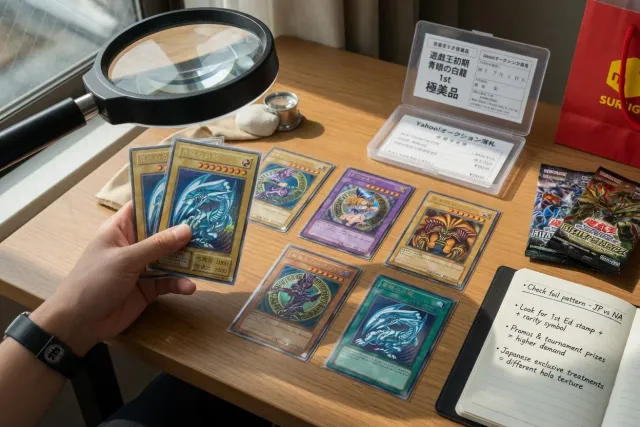
To find valuable Yu-Gi-Oh cards, look beyond a card’s character or attack points and check its exact printing, rarity, condition, set origin, demand, and authenticity. The most desirable cards are often limited promotional releases, early printings, scarce high-rarity versions, tournament prizes, and clean copies of cards collectors actively seek. Japanese releases can be especially rewarding because many have exclusive treatments and different release histories.
Start With the Exact Card, Not Just the Card Name
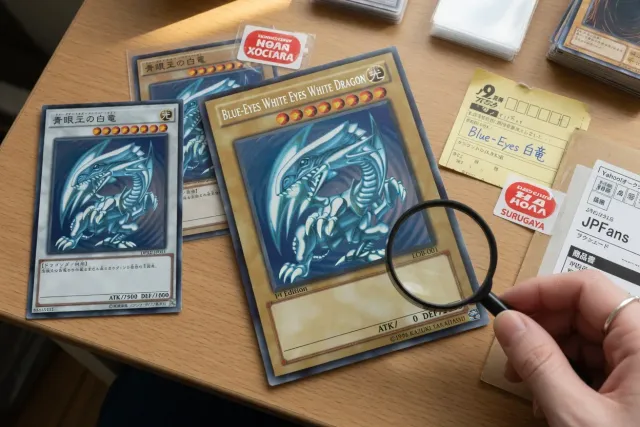
Many Yu-Gi-Oh cards exist in multiple versions. A Blue-Eyes White Dragon may be common in one product and highly collectible in another. The difference can come down to a small set code, foil pattern, language, promotional stamp, or release date. For that reason, the first step is always identifying the precise printing in front of you.
Look at the lower-right area of the card face for the set code or product code. This code helps distinguish one version from another, even when the artwork and card text appear nearly identical. Also note the following details:
- Card name and artwork: Alternate artwork can be more collectible than standard artwork.
- Set or product code: This identifies the release family and often the specific printing.
- Rarity: Common, Super Rare, Ultra Rare, Secret Rare, Ultimate Rare, Ghost Rare, Prismatic Secret Rare, Quarter Century Secret Rare, and other treatments can vary dramatically in scarcity and desirability.
- Language and region: Japanese, English, Korean, Asian-English, and other editions can have different supply levels and collector audiences.
- Edition markers: First Edition, Unlimited, promotional text, event labels, and anniversary markings matter.
- Copyright line and manufacturing details: Older printings may have recognizable formatting differences.
A card is not automatically valuable because it is shiny. Many foil cards are printed in large quantities. Conversely, a subtle early common card in exceptional condition can be much harder to locate than a modern foil. Accurate identification prevents the most common mistake in collecting: comparing a card to the wrong version online.
Understand Which Yu-Gi-Oh Rarities Attract Collectors
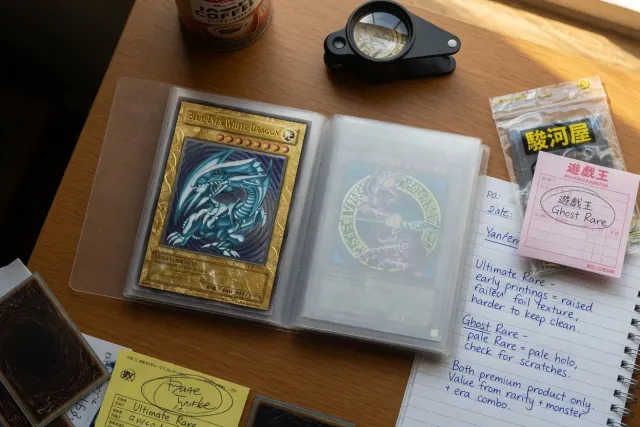
Rarity is an important clue, but it should be treated as a starting point rather than a price label. Some rarity types are valuable because they were used only in premium products; others are valuable because their surface textures are difficult to preserve cleanly. Collector interest often rises when a rarity combines visual appeal, limited availability, and a popular monster or era.
High-rarity treatments worth recognizing
Several rarity families are consistently worth a closer look. Ultimate Rares are known for their embossed texture and have a dedicated collector base, particularly for earlier printings. Ghost Rares feature pale, holographic artwork and can be difficult to find in clean condition. Starlight Rares, Collector’s Rares, and anniversary rarities appeal to modern collectors because of their premium visual treatments and lower pull rates.
Japanese Yu-Gi-Oh products also include distinctive rarities and premium finishes that may not have identical overseas counterparts. Examples include certain holographic, parallel, extra-secret, and anniversary treatments. A Japanese card may be desirable because it is an exclusive version, an earlier release of a famous card, or a premium rarity with a smaller collector supply outside Japan.
However, do not assume every rare card has substantial value. A recent high-rarity reprint can be easier to find than an older lower-rarity original. Compare the exact set code and rarity rather than relying on a general description such as ·secret rare.·
Look for Limited, Promotional, and Early Printings
The most valuable Yu-Gi-Oh cards often have a scarcity story. They may have been distributed at a tournament, included with a magazine, awarded through a campaign, released in a limited lottery, or printed during the game’s early years. These cards can be sought after even when they are not playable in the current game.
Important categories to research include:
- Tournament prize cards: Official event prizes are among the most recognizable high-end Yu-Gi-Oh collectibles because distribution was extremely limited.
- Magazine and book promos: Japanese cards bundled with publications may be overlooked by casual collectors, especially if the original release was limited.
- Event and anniversary promos: Convention, championship, store campaign, and anniversary releases can have strong long-term interest.
- Early-era printings: Cards from the first major waves of Yu-Gi-Oh collecting are popular when they feature iconic monsters and remain in excellent condition.
- First-print versions: An original or early printing can be preferable to a later reprint, even if both share the same artwork.
- Regional exclusives: Some releases were distributed only in Japan or in limited Asian markets, which can make them difficult for overseas collectors to source.
In Japanese listings, useful condition and product terms include 未開封 (unopened or sealed), 美品 (beautiful condition, though always verify photos), and 初版 (first printing or first edition, depending on context). These terms are helpful search filters, but they are not substitutes for checking the listing images, card code, and description.
For current product information and official franchise references, consult the official Yu-Gi-Oh! card game website. Official information is particularly useful for confirming product names, rarity terminology, and event-related releases.
Evaluate Condition Like a Collector
Condition can be the difference between an ordinary collectible and a premium one. This is especially true for older cards, textured foils, and dark-background cards that show wear easily. A scarce card with obvious damage can still be collectible, but condition-sensitive buyers usually place much higher value on clean examples.
When reviewing card photos, inspect both the front and back under good lighting. Look for:
- Corner whitening, bends, dents, creases, and edge chipping.
- Surface scratches, print lines, roller marks, or cloudy foil areas.
- Indentations that may not be visible in a flat front-facing image.
- Centering, especially on modern premium rarities.
- Warping from storage conditions, which is common with foil cards.
- Discoloration, fading, stains, writing, tape residue, or altered surfaces.
Be cautious with broad condition descriptions. A listing marked 美品 may genuinely be clean, but condition is subjective. Ask yourself whether the photos show all four corners, edges, front surface, and back surface. For higher-value cards, incomplete photos should be treated as a reason to research further rather than as proof of mint condition.
Original packaging can matter, too. A sealed promotional card, unopened pack, or complete campaign item may command more collector interest than the card alone. Still, sealed status does not guarantee that every item is rare or desirable; the underlying product, release method, and condition of the packaging remain important.
Measure Demand, Not Just Scarcity
A card can be genuinely scarce and still have limited value if few people want it. The strongest collectibles usually sit where scarcity meets demand. In Yu-Gi-Oh, demand often comes from nostalgia, anime recognition, competitive history, artwork, rarity appeal, or a card’s connection to a celebrated set.
Cards that tend to attract sustained attention include iconic monsters such as Blue-Eyes White Dragon, Dark Magician, Red-Eyes Black Dragon, Exodia pieces, and popular archetype cards. That does not mean every version of these cards is valuable; it means that unusual, early, premium, or exclusive printings have a broader pool of potential collectors.
When evaluating demand, compare completed sales data across the exact printing where possible. Do not compare an English Unlimited card with a Japanese promo, or a modern reprint with an early foil. Also consider whether prices reflect actual completed transactions rather than optimistic asking prices.
Competitive relevance can raise short-term interest in certain cards, but collector value is usually more durable when it is based on rarity, aesthetics, franchise importance, and long-term nostalgia. A powerful tournament card can be reprinted; an old limited promo cannot be recreated in the same historical context.
Know Which Yu-Gi-Oh Packs Can Contain Valuable Cards
Collectors often ask what Yu-Gi-Oh packs have the most valuable cards. There is no single pack that is always best, because values change with card condition, reprints, collector trends, and the chance of finding a particular rarity. A better approach is to identify products with a credible combination of desirable chase cards, limited distribution, and sealed collector demand.
Older booster boxes and packs can be attractive because the original print run is no longer available, but buying loose vintage packs requires care. Pack weighing, resealing concerns, uncertain storage, and unclear provenance can affect collector confidence. Modern premium sets may have more predictable chase rarity structures, but a high pull-rate product may not stay scarce over time.
Before targeting a pack or box, make a checklist:
- Which exact chase cards can appear in the product?
- Are those cards original printings, alternate artworks, or reprints?
- What rarity treatment makes the chase version distinctive?
- Was the product widely sold, regionally exclusive, or campaign-limited?
- Is sealed product itself collected, or is interest focused only on singles?
- Can you verify the product’s packaging, release code, and seller photos?
Rather than buying packs solely for the possibility of a hit, many collectors research and target the specific card version they want. This makes it easier to focus on the actual collectible characteristics that create value.
Use Japanese Listings to Find Under-the-Radar Versions
Japan is one of the most important markets for Yu-Gi-Oh collecting. Japanese releases often arrive first, include unique promotional cards, or use rarity treatments that appeal to collectors worldwide. Searching Japanese listings can reveal older single cards, promotional items, display products, and complete collections that may not be widely visible in overseas markets.
Useful Japanese search approaches include combining the card name with the set code, rarity name, or terms such as プロモ (promo), 限定 (limited), 未開封 (sealed), 美品 (beautiful condition), and 初版 (first printing). Searching by product code is particularly effective because translated card names and romanization can vary.
On the Yu-Gi-Oh! shopping hub at JPFinds, you can browse live Japanese listings across supported stores and marketplaces in one place. Auto-translation helps you understand listing titles and descriptions while still letting you use Japanese keywords to narrow down rare versions.
When you find a promising listing, compare it against known card details before placing an order. Confirm the set code, inspect photos for condition, and check whether the listing is for one card, a lot, an empty box, or a sealed item. For collections and lots, identify the visible high-interest cards individually rather than assuming the group has value because it is large.
Protect Yourself From Misidentification and Counterfeits
High-value Yu-Gi-Oh cards attract reproductions, altered cards, and misleading listings. The risk rises with famous prize cards, iconic early foils, and expensive promotional releases. A careful collector does not rely on one detail alone; they compare multiple physical and listing indicators.
Warning signs can include unusually blurry photos, mismatched card codes, incorrect foil patterns, text fonts that look too bold or too soft, odd coloring, inconsistent copyright lines, missing texture on a textured rarity, or a price far below the typical market range. Be equally cautious with listings that use stock photos for a card advertised as high condition.
Compare the card to reliable reference images of the exact release. Pay attention to the hologram area, lettering, rarity stamp, borders, and print layout. For expensive cards, prefer listings with clear front-and-back photographs and enough detail to confirm the exact version. A thorough identification process is usually more valuable than chasing a seemingly cheap deal.
Explore more Japanese releases, promos, singles, and sealed products through JPFinds· Yu-Gi-Oh! listings. Related guide: if you are wondering whether cards in your collection have value, start by identifying the exact printing before comparing condition and demand.