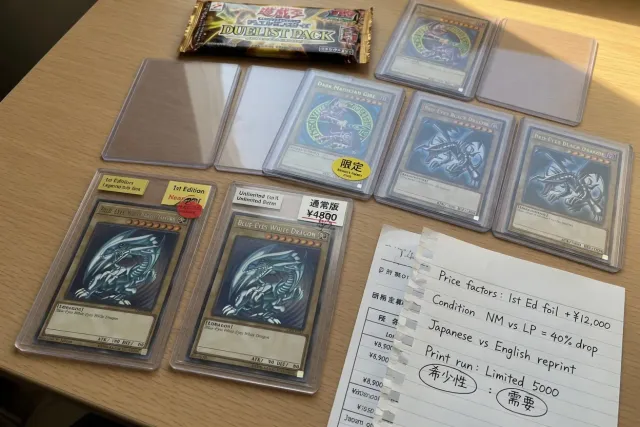
Yu-Gi-Oh card prices are determined by a combination of rarity, print run, condition, edition, language, player demand, and collector interest. A card’s name alone rarely tells the whole story: two copies with identical artwork can have dramatically different prices because of their foil treatment, release set, first-edition status, or physical condition.
What determines Yu-Gi-Oh card prices?
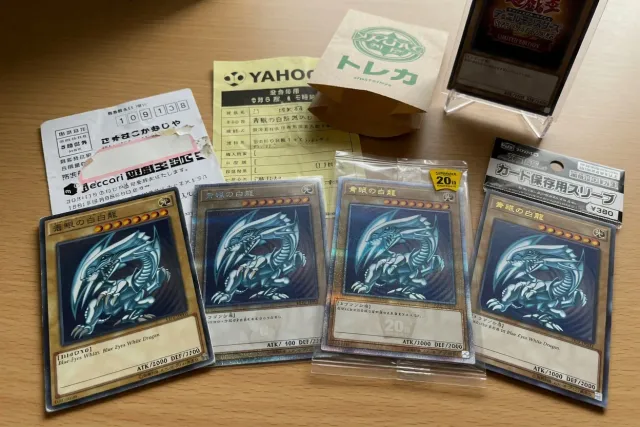
The market price of a Yu-Gi-Oh card reflects what collectors and players are currently willing to pay for a specific version of that card. The important word is specific. ·Blue-Eyes White Dragon,· for example, exists in many sets, languages, rarities, and conditions. These versions are not interchangeable in price.
Most price differences come from several factors working together:
- Rarity: Higher-rarity foils, special treatments, and promotional versions can be much scarcer than regular printings.
- Set and release date: Older sets, limited products, anniversary releases, and prize cards often attract greater collector attention.
- Edition: A first-edition printing can carry a substantial premium over an unlimited printing, depending on the set and region.
- Condition: Surface wear, whitening, creases, edge damage, and centering all affect collectible value.
- Demand: Popular monsters, nostalgic cards, competitive staples, and iconic artwork can command stronger prices.
- Supply: Reprints, sealed product openings, and how often a card appears on the market influence available supply.
A useful rule is that rarity creates potential, while demand turns that potential into a price. A scarce card with limited interest may remain affordable. Conversely, a widely printed card can still be expensive if players or collectors strongly want a particular version.
Why rarity and print treatment matter
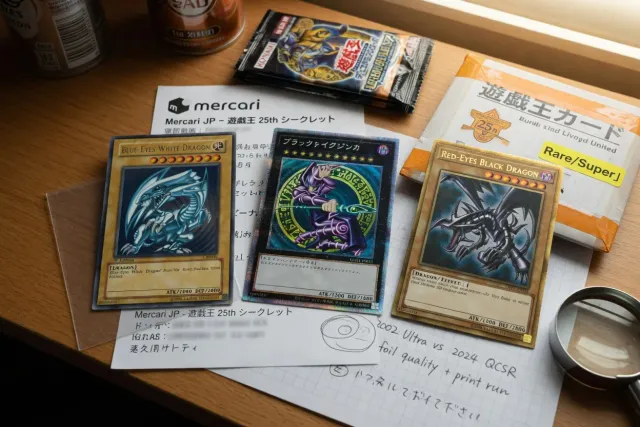
Yu-Gi-Oh uses many rarity types, and the hierarchy is not always simple. A Secret Rare is not automatically worth more than an Ultra Rare, for instance. The set, artwork, era, card condition, and total number of copies available are just as important.
Common rarity labels include Common, Rare, Super Rare, Ultra Rare, Secret Rare, Ultimate Rare, Ghost Rare, Collector’s Rare, Starlight Rare, Quarter Century Secret Rare, Prismatic Secret Rare, and various regional or promotional treatments. Some rarity types are associated with particular periods of the game and therefore carry extra nostalgia or collector appeal.
Older foils and modern premium rarities
Older foils can be valuable because surviving clean copies are relatively difficult to find. Cards from early sets may have been played without sleeves, stored loosely, or exposed to scratching and edge wear over many years. That makes genuinely clean examples more unusual than raw production numbers might suggest.
Modern premium rarities can be expensive for a different reason: they may have low pull rates, distinctive patterns, alternate artwork, or a limited release window. However, modern cards can be more volatile. A highly sought-after chase card may fall in price after additional product is opened or after a similar reprint is announced.
When comparing prices, identify the exact rarity from the card’s set code and foil appearance. Do not compare a regular Secret Rare with a similarly named premium rarity simply because both have the same card name.
How edition, set codes, and language change the price
Set codes are among the most useful tools for identifying a Yu-Gi-Oh card. Printed near the lower-right area of most cards, the code links the card to a particular release. It helps distinguish cards that look similar but belong to entirely different sets.
For many English-language releases, first-edition status is a major price factor. A card marked ·1st Edition· may be worth considerably more than the unlimited version, especially for early booster sets and highly collected cards. That said, first edition is not automatically the most desirable version in every case. Some Japanese releases use different edition conventions, and certain promotional or limited cards have their own market logic.
Language also matters. Japanese cards are often printed earlier than overseas versions and may feature distinct foiling, card stock, set composition, or promotional distribution. Japanese editions can be particularly appealing to collectors seeking original-language cards, tournament prize cards, OCG-exclusive releases, and high-end rarities.
For current cards and official product information, the official Yu-Gi-Oh card game website is a useful reference point. When researching a card, record its full name, set code, rarity, language, and edition before drawing any price conclusion.
How condition affects collectible card prices
Condition can create one of the largest price gaps between two otherwise identical cards. A card that looks acceptable at arm’s length may still have flaws that matter to collectors: holofoil scratches, dents, corner wear, back whitening, print lines, warping, stains, or creases.
Condition descriptions vary among sellers, so photos matter. ·Near Mint· is commonly used for a card with minimal visible wear, but the practical standard can differ. A card described as 美品 generally signals a beautiful or clean-looking copy, yet buyers should still review clear front, back, corner, and foil images where available.
Why creases and dents matter so much
Creases, dents, pressure marks, and water damage usually have a larger effect on price than light edge wear. These flaws are difficult to overlook in high-end collecting and often prevent a card from qualifying for the highest condition categories. On a low-value playable card, the discount may be modest. On a scarce vintage foil, the difference can be substantial.
Centering and print quality can also matter, particularly for premium cards. A card may be fresh from a pack but still have off-center borders, factory print lines, or minor surface imperfections. ·Pack fresh· describes origin, not necessarily perfect condition.
For expensive cards, compare examples in similar condition rather than relying on a single headline price. A clean copy and a heavily played copy are effectively different market tiers.
Why demand changes even when a card is not rare
Collector demand and gameplay demand can move Yu-Gi-Oh card prices in different ways. Iconic cards such as signature monsters from the anime often retain attention because of nostalgia, artwork, and character association. Their desirable versions may remain popular even if they are not currently useful in competitive decks.
Competitive demand can be faster-moving. A card that becomes important in a successful strategy may rise when players need copies at once. Its price may later soften after a reprint, a change to official card restrictions, or a shift in tournament trends. The Yu-Gi-Oh collection on JPFinds can help collectors explore different Japanese listings and print variations when comparing releases.
Artwork can create a separate layer of demand. Alternate artwork, original art, female character cards, dragon monsters, and high-profile fan favorites may attract buyers outside the competitive market. This is why the cheapest version of a card is not always the version that collectors want most.
How reprints and supply influence market prices
Reprints are one of the most important reasons prices change. When a sought-after card appears in a new booster set, structure deck, special collection, or rarity-focused product, supply can increase quickly. Prices for the original version may decline, but that is not guaranteed.
The effect depends on what buyers value. If players mainly need the card’s effect, a lower-cost reprint can reduce demand for earlier copies. If collectors value a specific old set code, foil pattern, first-edition marking, or artwork, the original printing may hold up better.
Sealed availability matters too. A card from a product that is no longer widely opened may become harder to find over time. Conversely, cards from a recent set can fluctuate as more boxes are opened and listings enter the market. Avoid treating the first few listing prices after a release as a stable long-term benchmark.
Limited distribution can also affect supply. Event promos, magazine inserts, retail exclusives, and tournament-related cards may have smaller pools of available copies than standard booster cards. Their value can depend heavily on documentation, authenticity, and condition.
How to compare Yu-Gi-Oh card prices accurately
Price research works best when it is systematic. Rather than searching only a card name, build an exact identification line: card name, set code, rarity, edition, language, and condition. This prevents the most common comparison error: treating every printing as the same card.
Use these steps when evaluating a listing:
- Match the set code first, not just the artwork or card name.
- Confirm the rarity and foil treatment from images.
- Check edition and language, including whether the card is Japanese OCG or international TCG.
- Compare cards in the same condition range.
- Look at multiple recent market examples instead of one unusually high asking price.
- Separate card value from shipping, fees, bundles, and accessories included with a listing.
Asking prices show what a seller hopes to receive; they do not always show the price the market accepts. A more reliable picture comes from repeated comparable transactions and from the number of similar copies available. If only one expensive listing exists while several comparable copies are lower, the high number may be an outlier rather than a market standard.
When browsing Japanese cards, translated titles can vary. Search with romanized names, English card names, Japanese names where possible, and set codes. On JPFinds· Yu-Gi-Oh listings, checking the images alongside translated listing details is especially helpful for identifying the exact print.
Enter a card number such as QCC1-JP001 or Japanese search terms directly into the JPFinds search box to compare Japanese card listings across Mercari and Yahoo Auctions, including asking prices and condition photos.
When a Yu-Gi-Oh card may be worth more than expected
Are Yu-Gi-Oh cards worth anything? Some are, but value is concentrated in particular versions rather than spread evenly across every card. A card may be more valuable than expected when it has a scarce rarity, an early or first-edition printing, desirable artwork, strong character appeal, limited distribution, or unusually clean condition.
Cards can also carry premiums when they are 未開封, meaning unopened, if they were distributed in sealed promotional packaging. In that situation, the packaging itself is part of the item’s collectible identity. Verify that the listing clearly shows what is included and whether the sealed state is relevant to that specific release.
Be cautious with assumptions based on age alone. Not every old card is scarce, and not every holographic card is valuable. Likewise, a card can be new yet expensive if it is a low-supply premium rarity with strong collector or player demand. The best approach is always to identify the exact version and compare like with like.
Ready to source rare Japanese cards? Browse Yu-Gi-Oh cards from Japan on JPFinds.