loading
Why buy Disney merchandise from Japan?
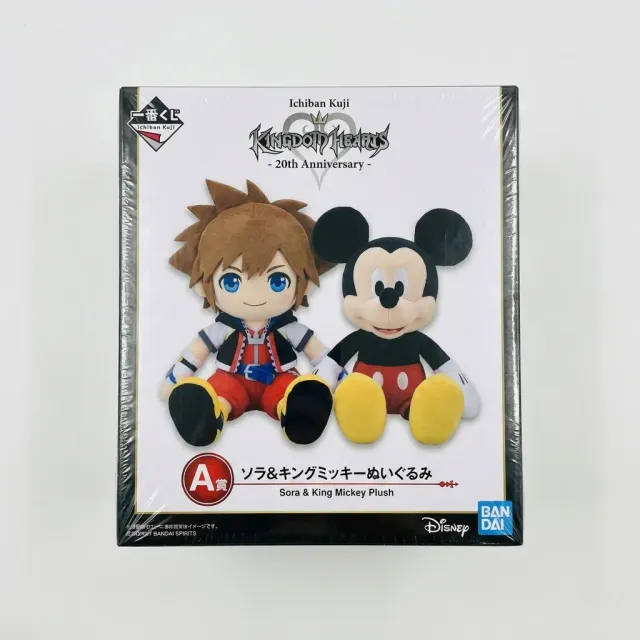
✦ Japan buying expertsJapan is a standout market for Disney collectibles, character goods, and limited-release merchandise. Japanese marketplaces regularly list Tokyo Disney Resort souvenirs, seasonal event items, plush, keychains, stationery, prize figures, and Ichiban Kuji lottery prizes that can be difficult to find outside Japan. Collectors can also find discontinued park goods, campaign bonuses, older character merchandise, and resale listings from sellers who carefully store items after events. Price differences often reflect Japan-only distribution, lottery availability, park-exclusive releases, or retired seasonal collections rather than rarity alone. When comparing listings, check seller photos for tags, copyright markings, packaging, and included accessories. Useful condition terms for Disney toys and figures include 未開封 (unopened), 箱ダメージ (box damage), and プライズ (prize item). JPFinds brings together live listings from major Japanese marketplaces, translates listing details, and lets you consolidate purchases at our Japan warehouse before selecting an international shipping method. You pay for your items and service fee first, then international shipping after your order is ready to send.
All-in-oneEvery major Japanese marketplace, one account
30 daysFree storage & consolidation
MultipleShipping methods · you choose speed & budget
AutoListings translated · shop like a local
Stationery on Mercari
JPFinds Shopping Process
New to shopping from Japan? Get your items shipped home in five steps.
01STEPSearch
Review the Japanese original or an available translation, then add the item to your cart.
02STEPShopping
Pay the 1st payment (item + service fee) and we purchase it for you in Japan.
03STEPWarehouse
Your items arrive at our Japan warehouse and enjoy up to 30 days of free storage.
04STEPPayment
Pay the 2nd payment (international shipping) and we ship your order worldwide.
05STEPDelivery
Your package is delivered to your door — delivery time depends on the shipping method you choose.
A Collector’s Guide to Disney Merchandise from Japan
Market Finds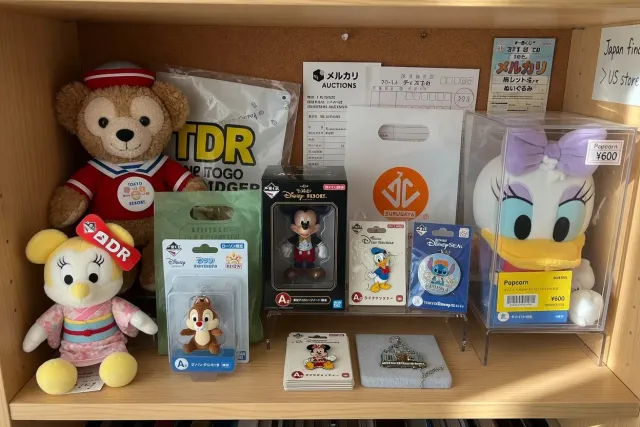
1Why Disney Collectibles from Japan Are Worth Exploring
Japan is one of the most active markets for Disney collecting, with merchandise ranging from everyday character goods to limited event releases and discontinued park items. Japanese listings often include pieces that were sold through Tokyo Disney Resort, convenience-store promotions, Ichiban Kuji lotteries, prize machines, and regional collaborations. This makes the market especially useful for collectors searching beyond the usual Disney Store or Shop Disney selection available in their home country.
Japanese resale platforms can also offer strong value because many sellers list unwanted gifts, duplicate lottery prizes, and older collection items individually. A plush that was difficult to find overseas may appear in Japan with its tags attached, while a discontinued pin set may be split into affordable single listings. Search broadly using ディズニー グッズ, then add character names, park names, release years, or Japanese terms such as 限定 (limited), 非売品 (not for sale), and 廃盤 (discontinued).
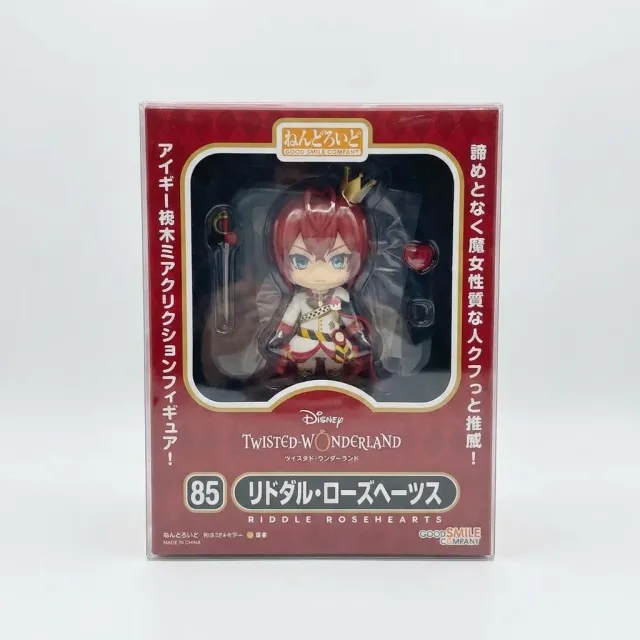
For collectible displays, compare listings in Disney Figures and Disney Acrylic Stands. Japan’s detailed seller photos and condition notes can make it easier to identify the exact version, included base, packaging, or campaign bonus before purchasing.
Condition Check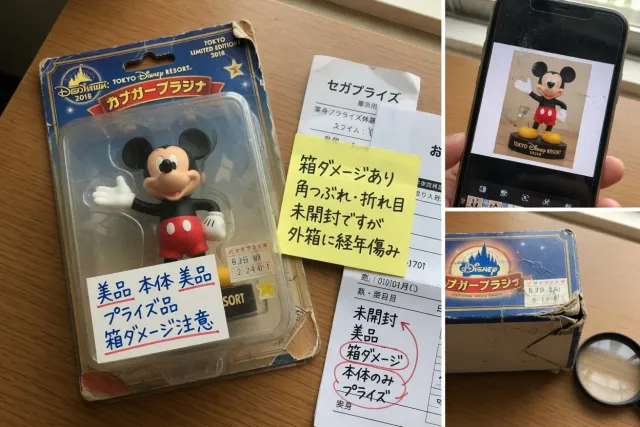
2Read Japanese Listing Conditions Before You Buy
Condition language matters greatly when buying Disney merchandise from Japan, particularly for boxed figures, plush, pins, and older Tokyo Disney Resort goods. 未開封 means unopened, although it does not guarantee a flawless outer box after years of storage. 美品 generally means an item is in very good condition, but it is still a seller judgment rather than a universal grading standard. Review every image for yellowing, dust, fading, loose threads, paint transfer, scratches, and missing accessories.
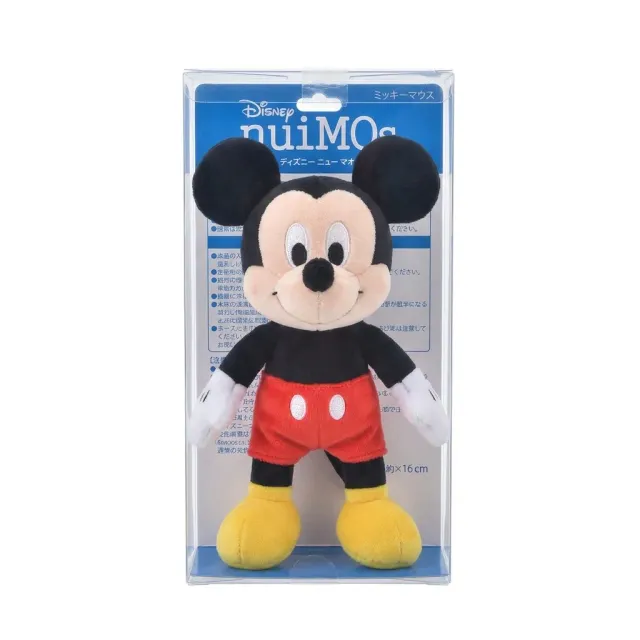
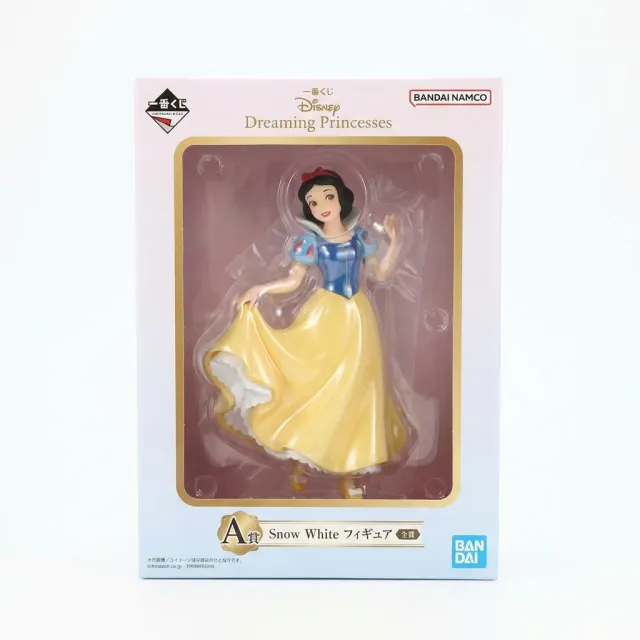
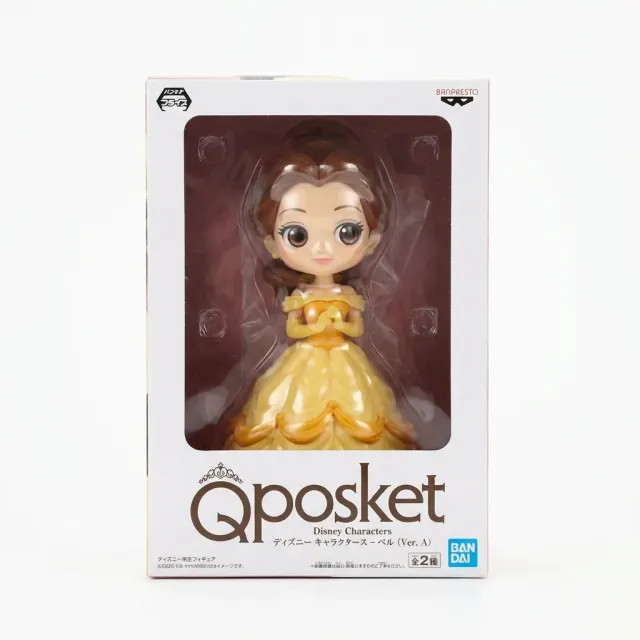
For figures and toys, look for terms such as 箱ダメージ (box damage), 本体のみ (item only), and プライズ (prize item). Prize figures are commonly obtained from arcade crane games, so they may have factory tape, minor box dents, or handling marks even when the figure itself is unused. For plush, confirm whether paper tags, ball chains, clothing, and original hang tags are present; these details can affect collector value.
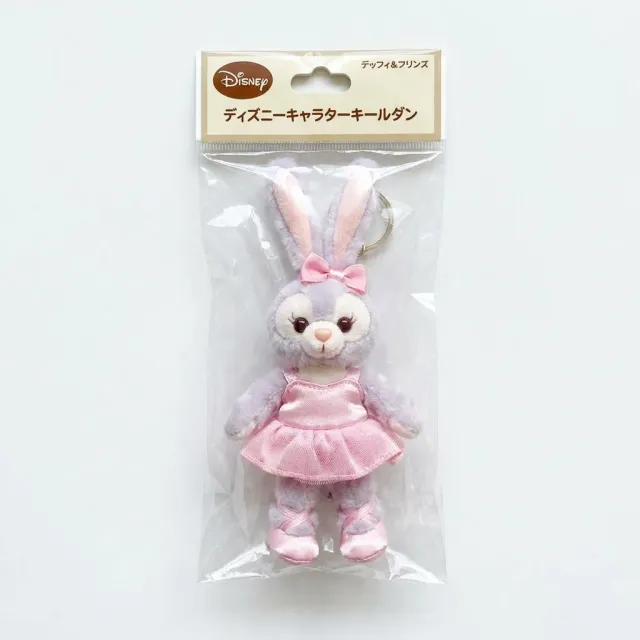
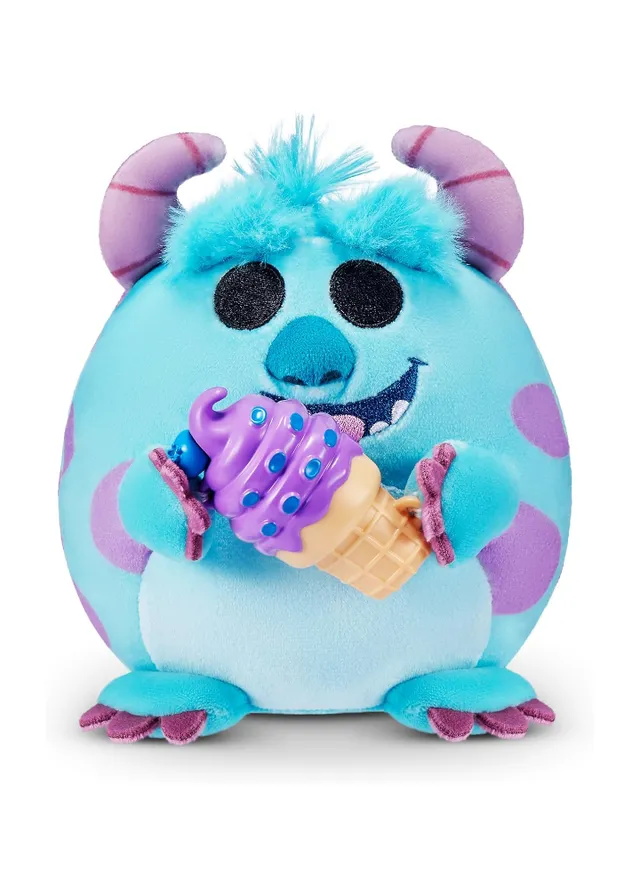
When shopping for Disney Plush, ask the seller-facing listing details to guide your decision rather than relying only on stock photos. For small collectibles, browse Disney Keychains and check clasp wear, charm discoloration, and whether the original backing card is included.
Rare Releases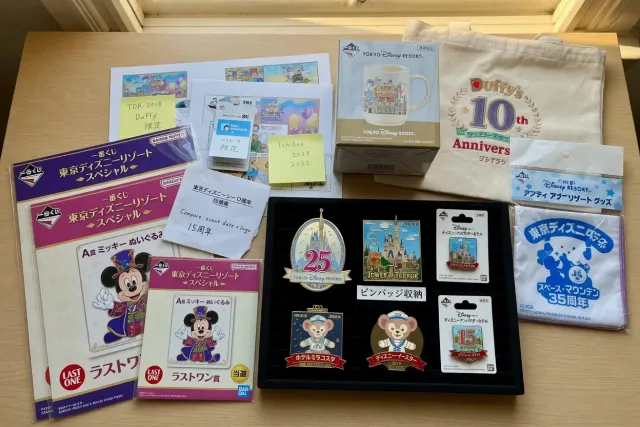
3Know What Makes Japanese Disney Goods Collectible
Not every Japanese Disney item becomes scarce, but certain release types tend to attract sustained collector interest. Tokyo Disney Resort seasonal merchandise, anniversary designs, attraction-themed goods, hotel exclusives, Duffy & Friends releases, and short-run event items can disappear quickly once a campaign ends. Older goods may become harder to replace because collectors often keep complete sets rather than selling individual pieces.
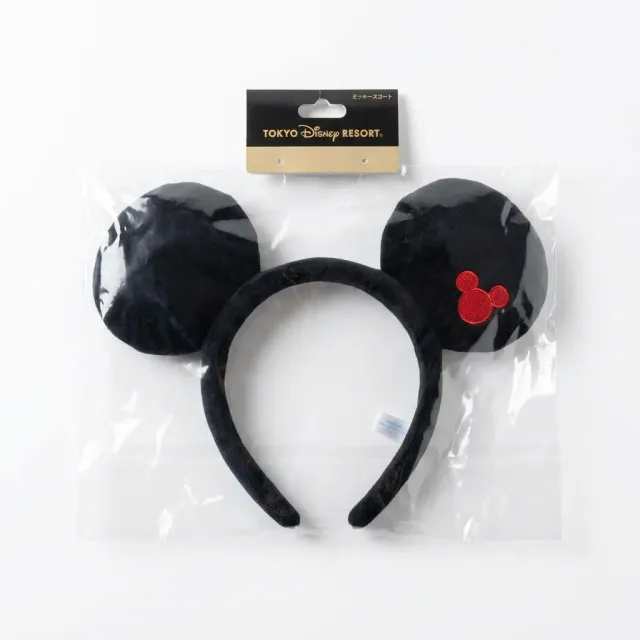
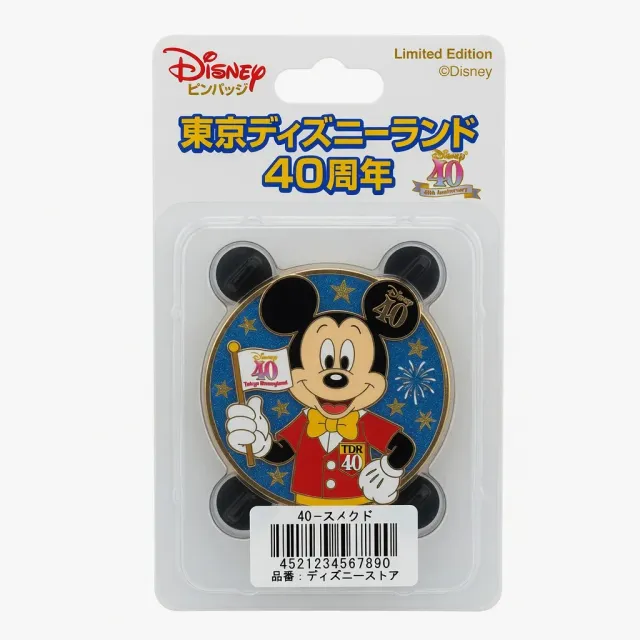
Tokyo Disney Resort Goods are worth comparing carefully by event, character, size, and release year. Similar-looking items can have meaningful differences: a park-exclusive tag, a commemorative logo, an original retail bag, or a limited event date can distinguish one version from a standard Disney Store item. Disney pins also reward close comparison, as editions may differ by backstamp, card design, pin trading event, or country of release.
Lottery releases deserve separate attention. Disney Ichiban Kuji items are distributed as prize tiers, so top prizes and the last prize can command a premium when the lottery has finished. Sealed prizes are appealing, but check the exact prize letter and size. A lower-tier acrylic charm can look similar in photos to a larger figure or plush prize, yet have a very different market price.
Smart Pricing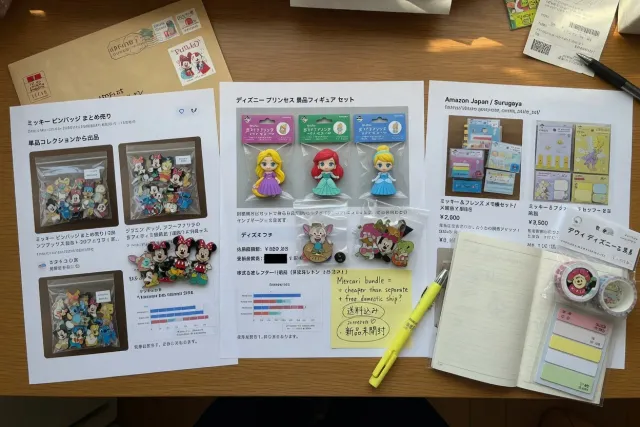
4Compare Platforms and Build a Better Disney Order
The cheapest platform depends on the item type and how quickly you need to act. Mercari-style listings can be excellent for single-owner collections, bundle sales, and recently released Disney goods, while auction listings may be useful for older sets, rare pins, and items with uncertain demand. Retail and hobby-shop inventory can be better for clearly described unopened stock, but resale listings often provide the widest choice for discontinued merchandise. Compare item price, domestic shipping, condition, included accessories, and recent sold prices rather than choosing solely by the lowest headline amount.
For low-cost goods such as Disney Stationery, individual shipping can make a bargain less attractive. Combining multiple purchases into one package can help spread international shipping costs across a larger order. JPFinds can hold eligible purchases for up to 30 days of free storage, allowing you to build a shipment around compatible items such as pins, keychains, acrylic stands, and small prize figures.
Use extra care with fragile or bulky items. Large plush, boxed figures, and framed goods can raise dimensional shipping costs, while pin lots and flat stationery are often more space-efficient. For collectors who want smaller display pieces, Disney Pins and Disney Prize Figures can offer a practical balance of collecting variety, price, and parcel size.
Authentic Buying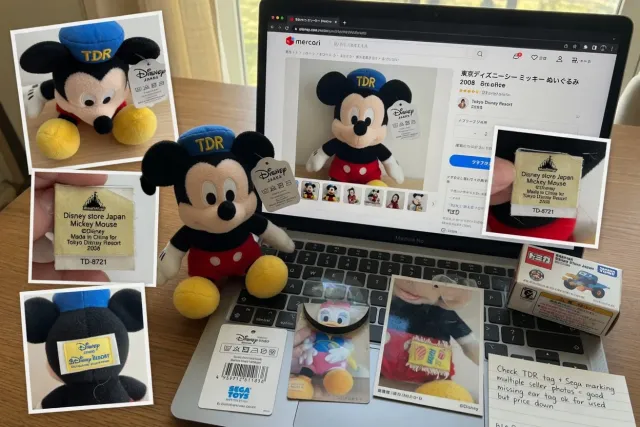
5Spot Better Listings and Avoid Costly Surprises
Authenticity checks for Disney merchandise should focus on the specific product category. Examine logos, copyright lines, manufacturer markings, character tags, packaging quality, and product codes where available. Official Japanese goods may carry labels from Tokyo Disney Resort, Disney Store Japan, Sega, Banpresto, Takara Tomy, or other licensed manufacturers depending on the release. A missing tag does not automatically mean an item is counterfeit, especially for used plush or opened figures, but it should affect how much you are willing to pay.
Prioritize listings with multiple original photos over listings using only catalogue images. Look for close-ups of plush face embroidery, figure paintwork, pin backs, box seals, and any stated defects. Be cautious with unusually cheap high-demand items, vague descriptions, or listings that avoid showing identifying marks. For older products, packaging changes over time, so compare against confirmed examples from the same Japanese release rather than assuming all authentic versions look identical.
A practical approach is to save searches for a few weeks before committing to a rare item. This reveals normal price ranges and helps distinguish a true bargain from an incomplete listing. Whether you collect character goods casually or pursue limited releases, buying with condition details, release information, and realistic market comparisons will produce a stronger Disney collection.
Disney collecting guides
 Beginner
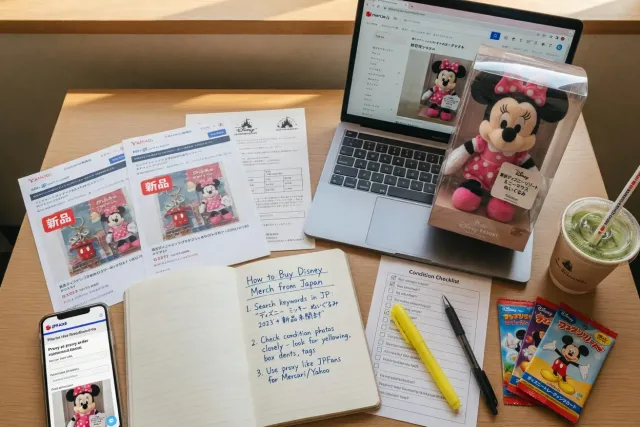
How to Buy Disney Merchandise from Japan
Learn how to search Japanese listings, assess item condition, and order Disney collectibles through a shopping proxy.
Read guide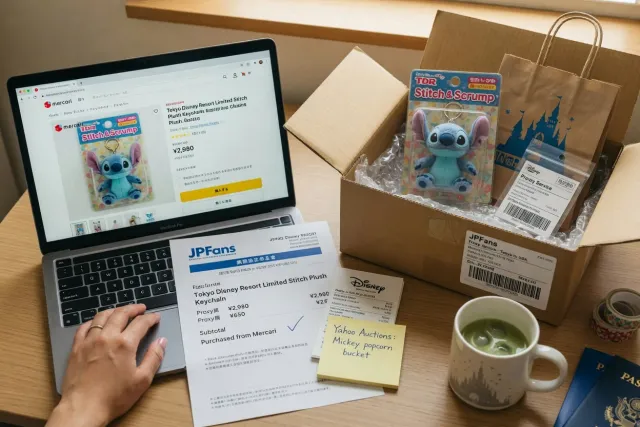 Value
How Disney Proxy Shopping Works
Understand how JPFinds purchases items from Japanese marketplaces and arranges international shipping for your order.
Read guide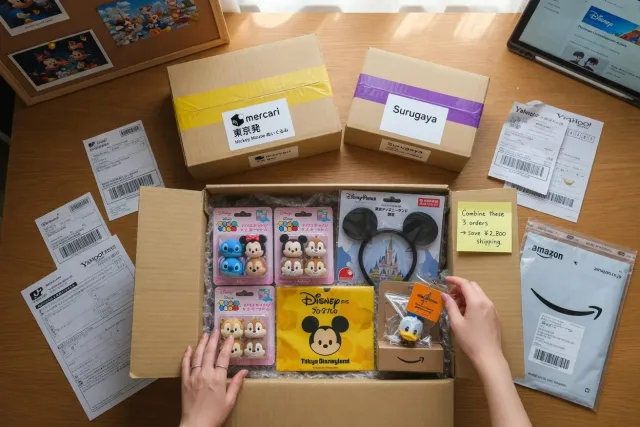 Collecting
Disney Package Consolidation Guide
See how combining compatible Disney purchases into one shipment can simplify international delivery costs.
Read guideFrequently asked questions
QCan I buy Disney merchandise from Japan if I live overseas?
Yes. A Japan shopping proxy can purchase eligible Disney items from Japanese marketplaces on your behalf and send them internationally. Available shipping methods and destinations depend on the parcel size, contents, and carrier restrictions.
QAre Japanese Disney collectibles authentic?
Many listings are genuine licensed items, but resale marketplaces include used goods from many sellers, so check photos and descriptions carefully. Look for copyright markings, manufacturer labels, tags, packaging details, and clear images of the actual item.
QWhat does 未開封 mean on a Disney listing?
未開封 means unopened or factory sealed. For figures and toys, it usually refers to the product packaging, though the box may still have storage wear such as small dents, fading, or box damage.
QWhat does 美品 mean for used Disney goods?
美品 means the seller considers the item to be in very good condition. It is not a formal grade, so review photos for plush wear, pin scratches, discoloration, missing tags, and other details before buying.
QWhat is the cheapest place to buy Disney merchandise from Japan?
There is no single cheapest platform for every item. Marketplace listings can be lower for used goods, duplicates, and bundles, while auctions may suit rare older items; compare the item price, domestic shipping, condition, and included accessories.
QWhy are Tokyo Disney Resort goods often more expensive on resale sites?
Many park goods are sold for limited seasons, anniversaries, or events and are not restocked after the release ends. Demand can rise further for popular characters, discontinued Duffy & Friends items, and products kept with original tags or packaging.
QAre Disney Ichiban Kuji prizes valuable?
Some can be valuable, especially top-tier prizes, last prizes, and items from older lotteries that are no longer available. Value depends on the exact prize tier, condition, character popularity, completeness, and how frequently the item appears for sale.
QCan I combine several Disney purchases into one shipment?
Yes. JPFinds can consolidate eligible purchases so you can send multiple items together, with up to 30 days of free storage. Combining smaller items such as pins, stationery, acrylic stands, and keychains may be more efficient than shipping each purchase separately.
QHow does the JPFinds two-payment system work?
The first payment covers the item cost and applicable Japan-side charges after your order is placed. The second payment is requested when your items are ready to ship and covers international shipping and any selected shipping-related options.
QWill I need to pay customs duty or import tax on Disney goods?
Customs duty, VAT, GST, and import taxes are determined by your destination country and the declared shipment value. These charges are separate from marketplace prices and international shipping, and recipients are responsible where applicable.