loading
Why buy LEGO from Japan?
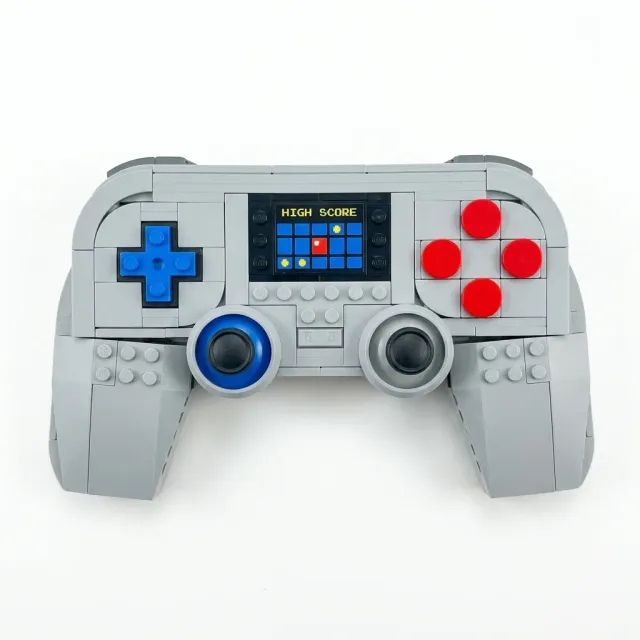
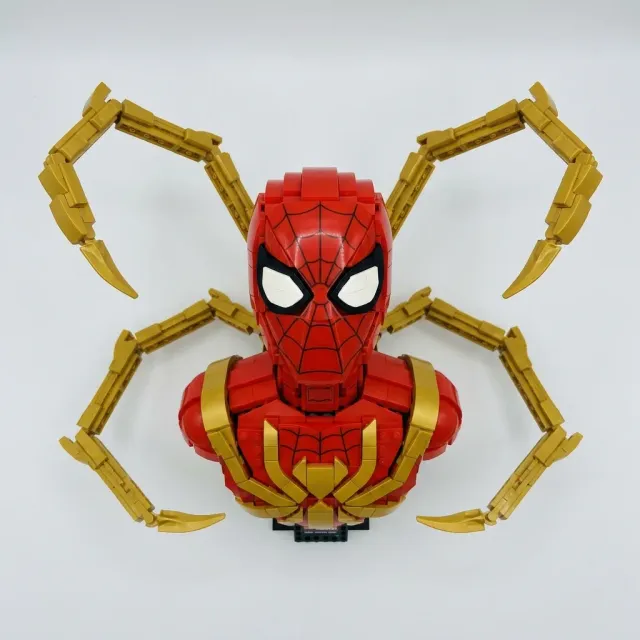
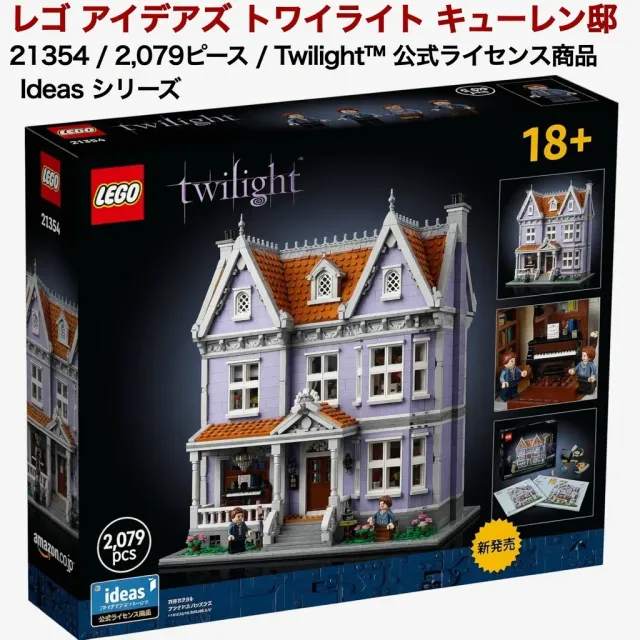
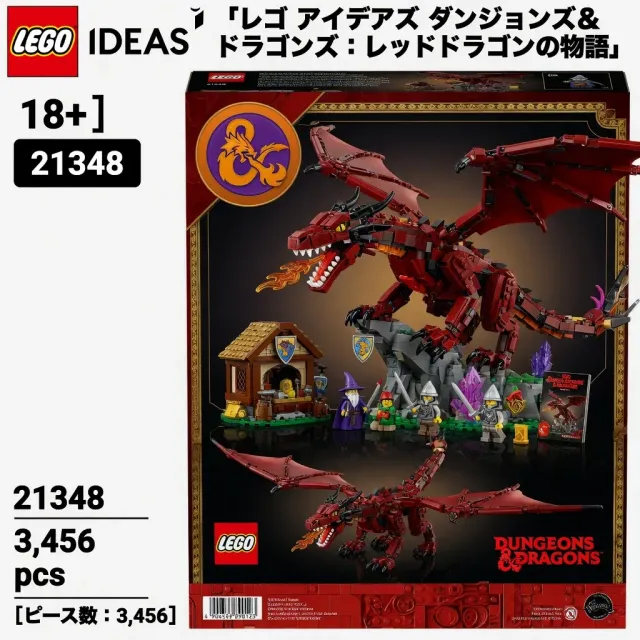
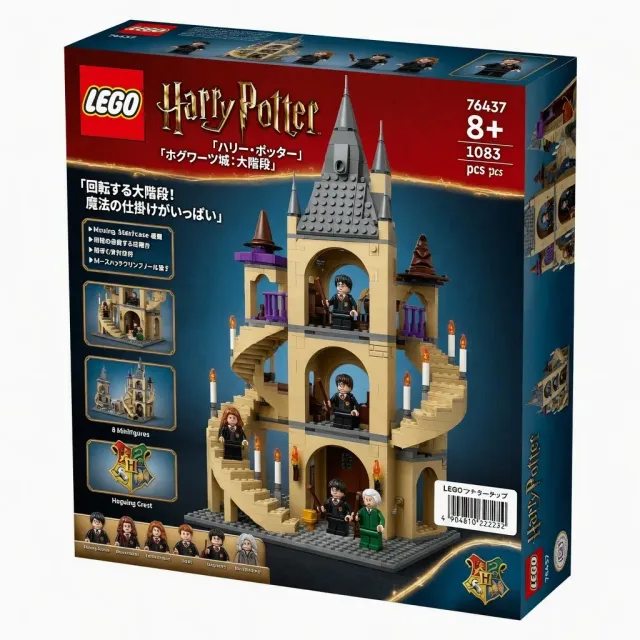
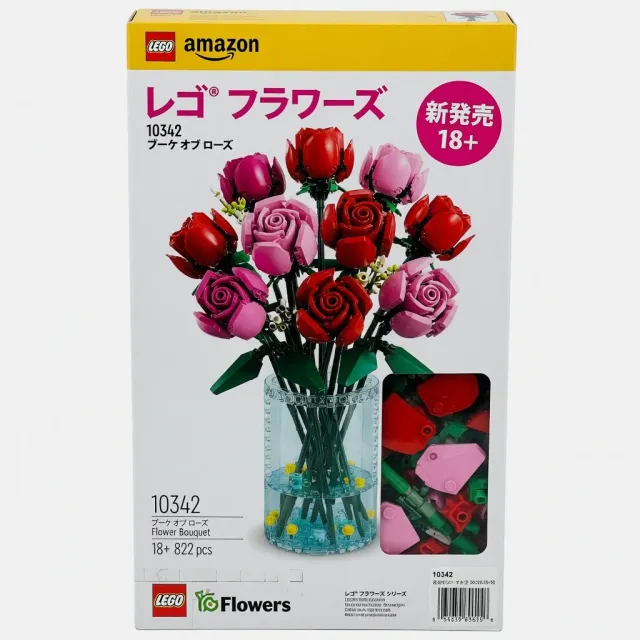
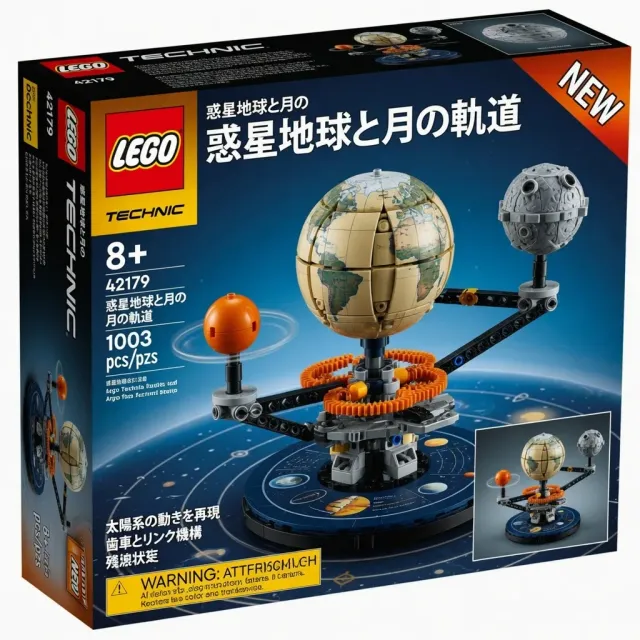
✦ Japan buying expertsJapan is a rewarding place to search for LEGO sets, minifigures, loose parts and discontinued releases. Japanese collectors often keep boxes, manuals and extra elements carefully, so marketplace listings can be especially useful when you are comparing complete sets with pre-owned builds. You may find Japan-market releases, retailer promotions, unopened stock, hard-to-source replacement pieces and older themes that are no longer easy to locate locally. Use the translated listing details and photos to compare set numbers, included minifigures, manuals, stickers and box condition before you buy. Common condition wording includes 未開封 (unopened), 美品 (excellent condition), 箱ダメージ (box damage) and 欠品 (missing parts). For higher-value sets, check that the set number and branding shown in photos match the listing title, and review whether the seller states that figures, instructions or the original box are included. JPFinds brings live Japanese listings together, translates them for easier shopping, stores purchases in its Japan warehouse for consolidation, and sends your combined order worldwide using the carrier you choose.
All-in-oneEvery major Japanese marketplace, one account
30 daysFree storage & consolidation
MultipleShipping methods · you choose speed & budget
AutoListings translated · shop like a local
NINJAGO 71848 The Temple Bounty on Mercari
JPFinds Shopping Process
New to shopping from Japan? Get your items shipped home in five steps.
01STEPSearch
Review the Japanese original or an available translation, then add the item to your cart.
02STEPShopping
Pay the 1st payment (item + service fee) and we purchase it for you in Japan.
03STEPWarehouse
Your items arrive at our Japan warehouse and enjoy up to 30 days of free storage.
04STEPPayment
Pay the 2nd payment (international shipping) and we ship your order worldwide.
05STEPDelivery
Your package is delivered to your door — delivery time depends on the shipping method you choose.
A Practical Guide to Buying LEGO from Japan
Japan Finds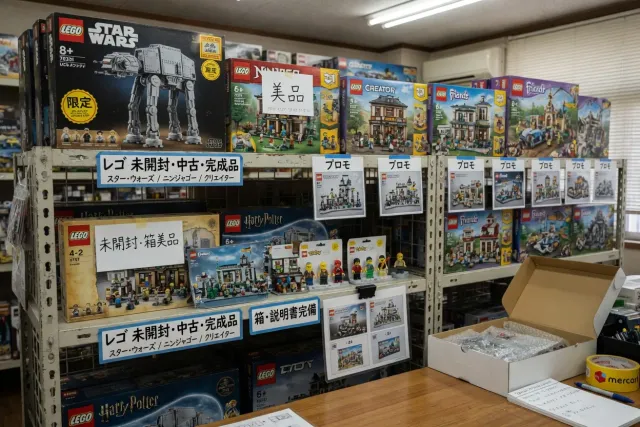
1Why Japan Is Worth Searching for LEGO
Japan is a particularly rewarding market for LEGO collectors because listings often include carefully stored sets, retailer exclusives, promotional items, and older releases that have disappeared from local shelves elsewhere. Japanese sellers frequently provide detailed photos of boxes, seals, instruction manuals, minifigures, and missing pieces, making it easier to compare condition before buying. Search using レゴ, then add themes, set numbers, or Japanese terms such as 未開封 (unopened), 美品 (excellent condition), 中古 (used), and 完成品 (built/assembled).
Price differences are not always about a set being cheaper in Japan. A listing can be attractive because it includes an original box, Japanese retailer bonus, rare minifigure, clean sticker sheet, or complete instructions. Conversely, a low price may reflect an incomplete build, damaged packaging, yellowed parts, or missing figures. Check whether a listing is for one complete set, a partial lot, or loose bricks before comparing prices.
Start broadly with LEGO Sets, then narrow your search by theme, production era, set number, or condition. This approach is useful for both sealed LEGO and pre-owned legos with collector value.
Condition Check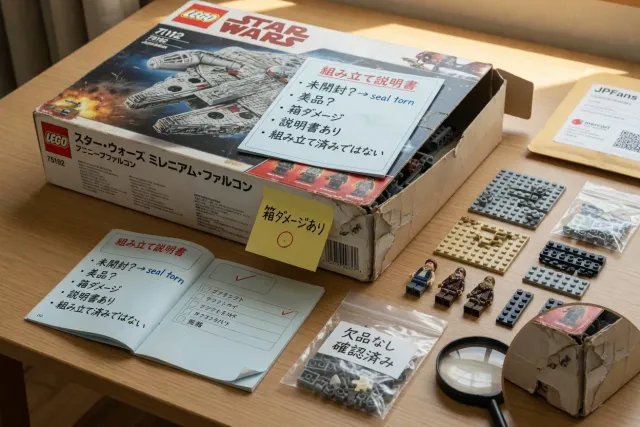
2Read Japanese Listing Conditions Like a Collector
For collectible LEGO, condition language matters as much as the set name. 未開封 means unopened, but photos should still be reviewed for shelf wear, crushed corners, fading, sticker residue, and factory seal condition. 箱ダメージ means box damage; this can be a sensible way to buy a sealed set for building, but it may reduce value for collectors who want display-quality packaging. 美品 generally indicates a very clean item, although it is still a seller description rather than a universal grading standard.
On pre-owned listings, look for phrases such as 欠品あり (missing items), 欠品なし (no missing items stated), 説明書あり (instructions included), 箱なし (no box), and 組み立て済み (already assembled). A built model can be convenient for identifying included parts, but it may arrive disassembled for packing or may need to be taken apart before shipping. Ask through the listing process when essential details are unclear, especially for retired sets with expensive minifigures or specialized elements.
For parts-focused purchases, Loose Parts can be better value than buying a full set. Examine photos for colour variation, bite marks, cracks, sun fading, and mixed non-LEGO pieces in bulk lots.
Rare Releases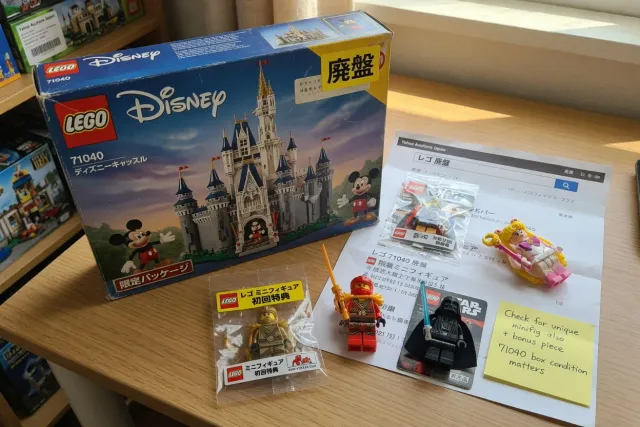
3Finding Retired Sets, Exclusive Models, and Minifigures
Japan’s secondary market can be especially useful for retired LEGO, limited retail promotions, theme-specific collections, and older sets preserved by adult collectors. The strongest searches combine the Japanese keyword レゴ with a set number, character name, theme name, or words such as 廃盤 (discontinued), 限定 (limited), 非売品 (not for sale), and 初回特典 (first-release bonus). Set numbers are often the most reliable search term because translated theme names and seller titles can vary.
For high-value items, verify what makes the listing rare. A discontinued set may be common without its original box, while an exclusive may only command a premium if its unique minifigure, printed element, or bonus item is included. Compare several listings rather than relying on one asking price. Japanese hobby sellers may price complete, clean examples higher, while person-to-person marketplace listings can offer opportunities when descriptions are brief or a seller is clearing space.
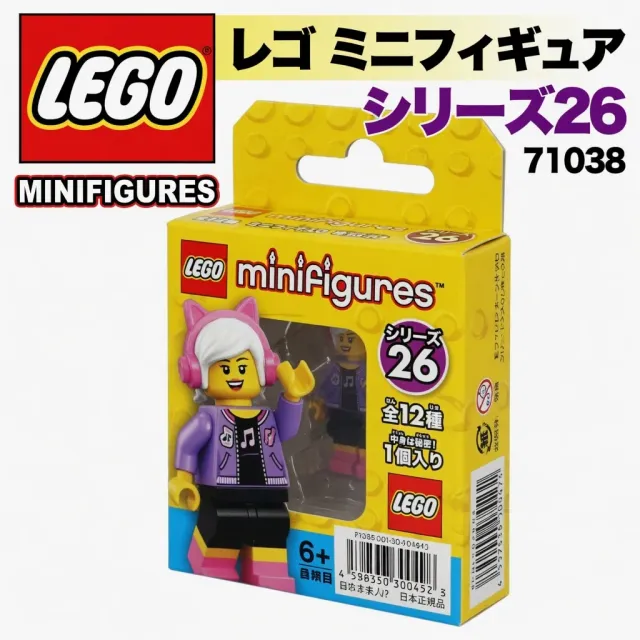
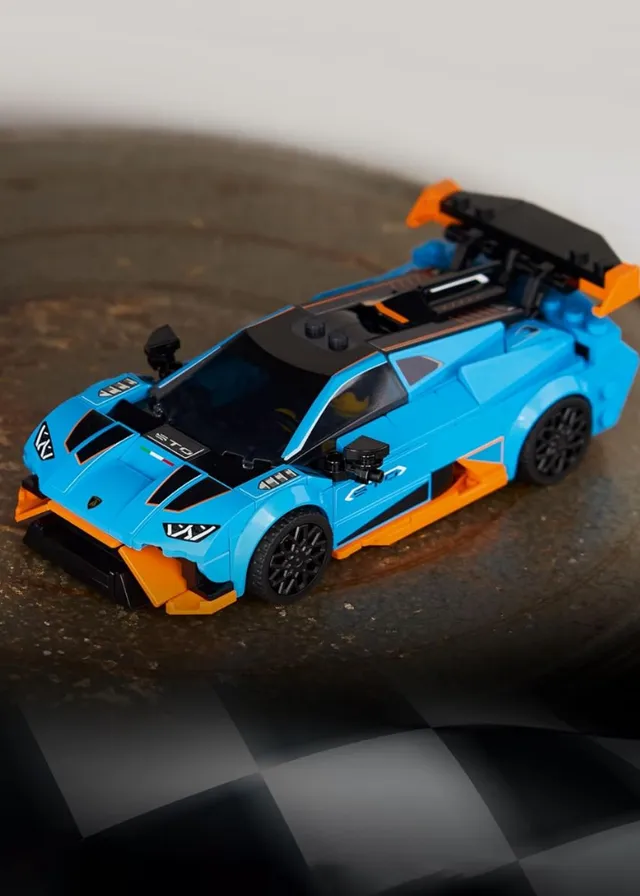
Collectors seeking individual characters should browse Minifigures, where complete figures, accessories, and mixed lots can appear separately from sets. For display-oriented collecting, explore Architecture Sets and Speed Champions Sets by set number and release year.
Smart Orders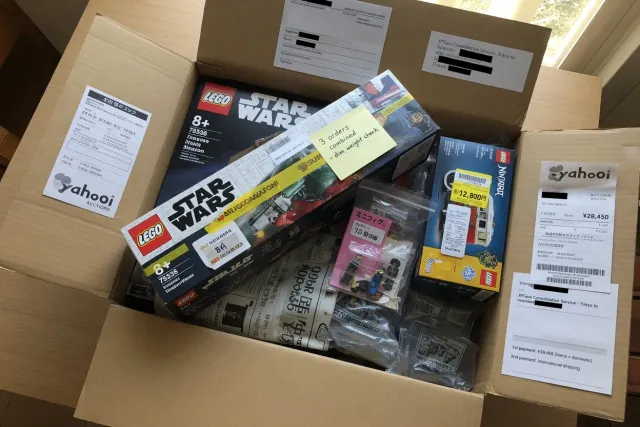
4Plan Shipping, Consolidation, and Total Cost
When buying LEGO from Japan, the item price is only one part of the decision. Large boxed sets can be light for their size but expensive to ship because carriers may calculate charges using dimensional weight. Original boxes are valuable to some collectors, yet they take up substantial space; decide whether the box is essential before purchasing. Smaller sets, minifigures, loose elements, and compact discontinued sets are often easier to combine efficiently than oversized display models.
JPFinds uses a two-payment system: the first payment covers the item purchase and applicable Japan-side charges, while the second payment is requested after international shipping arrangements are made. Eligible orders can be kept in storage for up to 30 days free of charge, giving you time to combine purchases into one parcel. Consolidation can reduce the cost of sending multiple orders separately, although it does not eliminate carrier charges, customs duties, taxes, or volumetric-weight considerations.
Choose a shipping option based on parcel size, destination, tracking needs, and the value of the LEGO order. Review your country’s import rules before checkout, particularly for large orders. If you are buying for younger builders, DUPLO Sets and Friends Sets can be practical additions to a consolidated shipment.
LEGO collecting guides
 Beginner
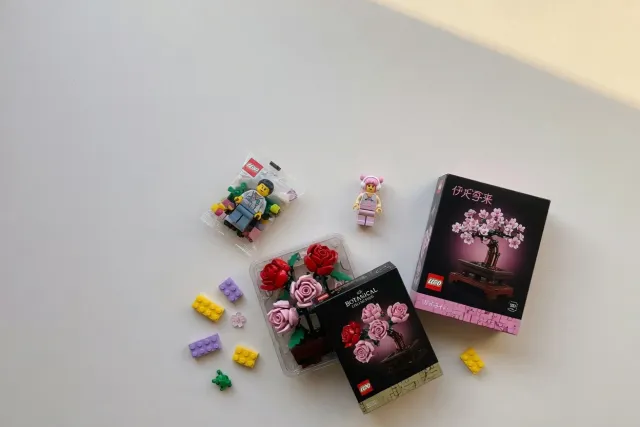
How to buy LEGO from Japan with JPFinds
Learn how to search Japanese LEGO listings, place an order through JPFinds, and prepare for international shipping.
Read guide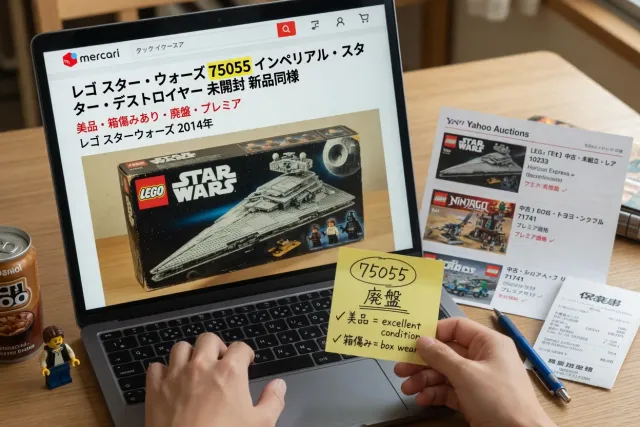 Collecting
How to find rare, discontinued, and pre-owned LEGO sets in Japan
Use Japanese search terms, set numbers, and condition clues to identify collectible LEGO listings with confidence.
Read guide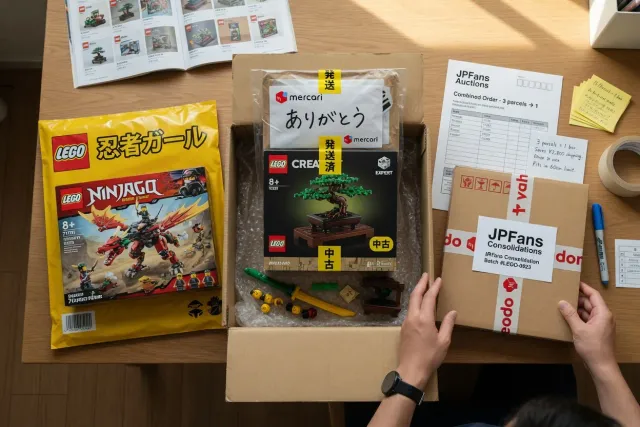 Value
How package consolidation works for LEGO orders
See how combining LEGO purchases can help you plan parcel size, storage, and international shipping costs.
Read guideFrequently asked questions
QCan I buy LEGO from Japan and ship it internationally?
Yes, JPFinds can purchase eligible LEGO listings from supported Japanese marketplaces and arrange worldwide shipping options. Availability of carriers and parcel limits depends on the destination, package size, and shipping method selected.
QAre LEGO sets from Japanese marketplaces authentic?
Many listings are genuine, but marketplace listings should always be reviewed carefully. Check clear photos, set numbers, LEGO logos, minifigure printing, included manuals, seller descriptions, and condition notes before ordering; be especially cautious with unusually low prices for rare sets.
QWhat does 未開封 mean on a LEGO listing?
未開封 means unopened or factory-sealed. It does not necessarily mean the box is perfect, so check photos and notes for 箱ダメージ, which means box damage.
QWhat Japanese terms should I look for when buying used LEGO?
Useful terms include 中古 for used, 美品 for excellent condition, 欠品あり for missing items, 箱なし for no box, and 説明書あり for instructions included. For retired items, try 廃盤, and use the set number alongside レゴ for more precise results.
QIs it cheaper to buy LEGO from Japan?
It can be, but the best value is often availability or condition rather than the lowest sticker price. Compare the complete cost, including Japan-side charges, international shipping, possible dimensional weight, and import taxes, especially for large boxed sets.
QWhich Japanese platform is best for buying LEGO?
Mercari can be useful for individual used sets, mixed lots, and quick-clearance listings, while JDirectItems/Yahoo Auctions may offer auction-style opportunities and collector stock. Amazon Japan can be useful for newer retail releases, while specialist stores may be better for clearly described pre-owned or collectible inventory.
QCan I consolidate multiple LEGO orders into one shipment?
Yes, eligible purchases can be combined after they arrive at the JPFinds warehouse. JPFinds offers up to 30 days of free storage, allowing you to gather orders before selecting international shipping.
QHow does the JPFinds two-payment system work for LEGO orders?
The first payment covers the item purchase and applicable domestic charges in Japan. The second payment is made after your parcel is prepared and the international shipping cost is determined.
QWill I have to pay customs duty or tax on LEGO from Japan?
Your destination country may charge import duty, VAT, GST, or handling fees based on the declared shipment and local regulations. These charges are determined by customs authorities and are separate from the item and shipping payments.
QHow can I tell whether a retired LEGO set is complete?
Look for statements such as 欠品なし and compare the listed contents with the official inventory for that set. Photos of minifigures, instruction books, stickered parts, and rare accessories are important because a set can be mostly complete while still missing high-value components.