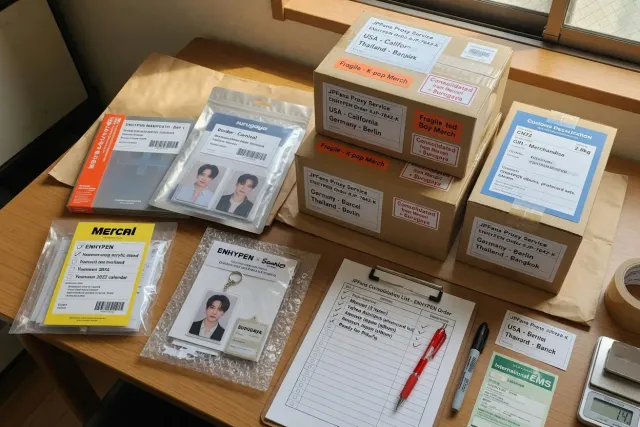
Consolidation and international shipping let you combine eligible purchases from Japanese stores and marketplaces into one outbound parcel instead of shipping every order separately. With JPFinds, you pay for your items first, then choose shipping and pay international postage after your purchases are ready to be sent. This two-payment flow helps you shop across different Japanese platforms while deciding how to group your items for delivery abroad.
What consolidation means for Japan purchases
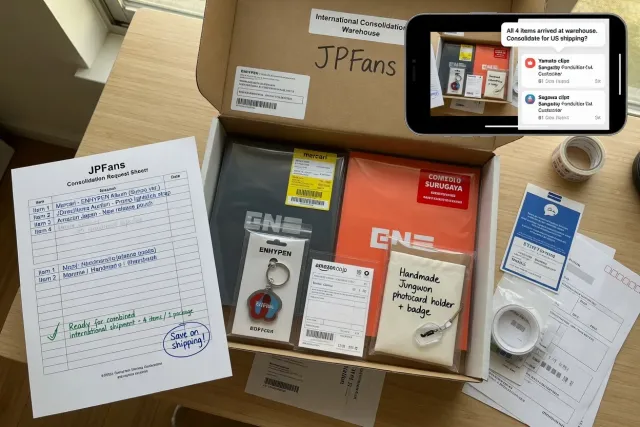
Consolidation is the process of placing multiple purchased items into a single package for international shipping. Rather than arranging a separate overseas shipment for every item you buy, you can wait until several orders have reached the JPFinds warehouse and send them together.
This is especially useful when you shop across multiple Japanese sources. For example, you may find an album on Mercari, a limited promotional item through JDirectItems Auction, a newly released product on Amazon Japan, and handmade fan goods on Minne. Those purchases can be handled under the same account and prepared for a combined international shipment when they are available.
For collectors, consolidation can make it easier to plan purchases around a single shipping budget. A shopper building an ENHYPEN collection from Japan, for instance, may prefer to gather several albums, photo cards, magazines, or official goods before creating one international parcel.
Why combine packages?
- Fewer outbound shipments: One international shipment can be simpler to manage than several separate deliveries.
- More control over shipping choices: You select the available carrier and service after your items are ready for dispatch.
- Convenient multi-store shopping: Purchases from different supported Japanese marketplaces and retailers can be managed in one place.
- Clearer parcel planning: You can consider the total size, weight, destination, and carrier options before paying overseas shipping.
Consolidation does not mean every combination will cost the same or always be the least expensive option. International postage is affected by destination, parcel dimensions, actual or volumetric weight where applicable, carrier service, and any restrictions on the items inside. Combining items can reduce the number of shipments, but a larger parcel may also fall into a different pricing bracket. It is best to consider the entire shipment rather than assuming that ·one box is always cheaper.·
How the two-payment system works
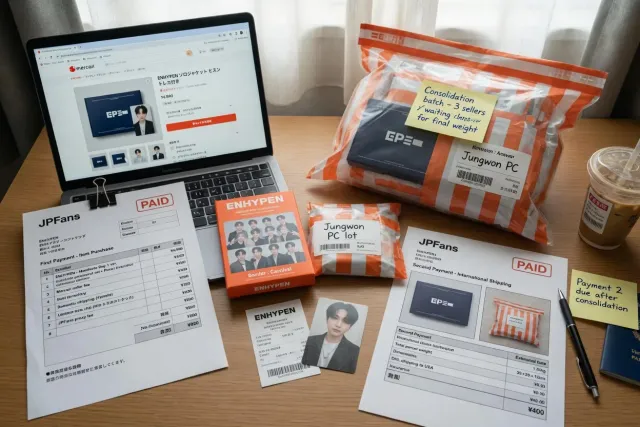
JPFinds uses a two-payment system because the cost of buying an item in Japan is separate from the cost of sending it overseas. This structure is practical when you are purchasing from several sellers or stores and do not yet know the final weight and dimensions of your international parcel.
First payment: the item purchase
The first payment covers the purchase stage: the price of the item and the applicable fees or domestic charges associated with obtaining it from the Japanese seller or retailer. The exact total depends on the listing or product, seller terms, and the platform where the item is offered.
Live listings and auto-translation make it easier to browse Japanese offers directly. However, item prices, domestic shipping charges, seller descriptions, and availability can differ significantly between listings. When shopping for collectible merchandise, read the translated description carefully and review listing photos, quantity, edition details, and stated condition before placing an order.
Second payment: international shipping
The second payment happens after the items intended for shipment are ready and you create an international parcel. At this point, the cost can be calculated using the final shipping details, including destination country or region, selected carrier, service level, parcel size, and weight.
This separation gives you an important choice: you are not forced to send each purchase overseas immediately. You can make several purchases first, then decide which items to send together. It also means international postage cannot be treated as a fixed amount at the time you first see an item listing.
Before completing the second payment, review the shipping options presented for your destination and choose the service that best fits your priorities. Some shoppers prioritize tracking or service features; others focus on the available price or parcel limits. Availability can change by destination and by the contents of the shipment.
From separate orders to one international parcel
The consolidation workflow begins after you have completed purchases through JPFinds. Each order is handled as its own purchase record, even if you bought multiple items from the same platform. Once the items are available in your account for shipping, you can select the orders you want to include in a shipment.
A typical consolidation sequence
- Find items on supported Japanese platforms. Browse live listings from sources such as Mercari, JDirectItems Auction, Amazon Japan, Surugaya, and Minne.
- Place your purchase requests. Pay the first payment for the items you want to buy.
- Wait for purchases to become available for international shipping. Orders may not become ready at the same time because sellers and stores dispatch separately.
- Select the orders to send together. Choose the items that belong in your outbound shipment.
- Create an international shipping request. Enter the destination and proceed with the available shipping choices.
- Choose a carrier option and pay international postage. This is the second payment.
- Track the shipment when tracking is offered by the selected service. Keep your shipment details and carrier updates available until delivery is complete.
You do not need to combine everything you have purchased. It can be sensible to create separate parcels when items have different urgency, when one item has a shipping restriction, or when you want to keep a shipment within a carrier’s size or weight limits. A single account can support a more flexible shipping plan than an all-or-nothing approach.
Choosing what to consolidate together
The best combination depends on the physical nature of the goods and the rules that apply to the destination. Think about the parcel as a whole, not just the number of individual orders included.
Good candidates for a combined shipment
- Small, lightweight merchandise purchased from multiple sellers.
- Albums, magazines, stationery, keyholders, acrylic stands, and similar collectibles.
- Orders that are all ready around the same period and do not need separate handling for timing reasons.
- Items going to the same recipient and destination address.
Cases where separate parcels may be more practical
- Bulky items: Large plush toys, oversized boxes, or display goods can increase dimensional weight and may affect available services.
- Restricted goods: Some products may be limited or prohibited by carrier rules, aviation regulations, or destination import requirements.
- Different priorities: If one order is a gift or time-sensitive purchase, you may prefer not to wait for unrelated orders.
- Value and customs planning: Import taxes, duties, and declarations are handled according to the rules of the destination, so consider your local requirements before grouping high-value goods.
Do not rely on general assumptions about restricted items. Batteries, liquids, aerosols, fragrances, food, and products containing certain materials can have special transport or import rules. Carrier eligibility may depend on the exact item and destination. For broad guidance on international postal services, consult the official Japan Post website, while treating the carrier options shown during your shipping request as the relevant choices for your parcel.
How international shipping costs are determined
International shipping is not based solely on how much you paid for the merchandise. The shipping charge is generally determined by the shipment’s route and physical shipping characteristics. Understanding these factors helps you make better consolidation decisions.
Key factors that affect postage
- Destination: Carrier pricing and service availability differ by country and region.
- Actual weight: Heavier packages generally cost more to transport.
- Parcel dimensions: Large parcels can be priced using dimensional or volumetric weight, depending on the service.
- Carrier and service: Express, postal, and other available options can have different rates, tracking features, limits, and delivery methods.
- Contents: Certain categories of goods may be unavailable for particular routes or services.
Dimensional weight is particularly relevant to light but bulky merchandise. For example, several small photo-card sets may add little weight, whereas a large boxed item may take up substantial space despite being relatively light. In that case, adding the boxed item to a combined parcel could have a larger effect on shipping cost than adding several flat items.
Carrier rules and destination availability can change, so always review the choices available when you submit your shipment request. For carrier background and global service information, the official DHL homepage is a useful reference, but the final services you can select depend on your destination and shipment details.
Customs declarations, taxes, and recipient responsibilities
Every international shipment crosses a border, which means customs requirements matter. The recipient is responsible for understanding and complying with import laws, prohibited-item rules, taxes, duties, VAT, and any customs fees that may apply in the destination country or region.
Customs authorities may use information such as the item category, declared value, country of origin, and shipment purpose to assess a parcel. Requirements vary widely. A threshold that applies in one country may not apply in another, and tax treatment can differ between commercial goods, gifts, and personal imports.
- Provide accurate recipient and address information when arranging shipment.
- Use truthful item information and values for customs purposes.
- Check your local customs authority’s rules before importing regulated, high-value, or unusual goods.
- Be prepared for taxes, duties, brokerage charges, or other amounts assessed by the destination country or carrier.
- Keep order details available in case customs requests supporting information.
Accurate declarations protect both the recipient and the shipping process. Asking for a lower declared value or a misleading item description can create customs problems, delays, penalties, or the return of a shipment. If you are combining fandom items from several orders, make sure you still understand the total declared content of the parcel rather than thinking only about each individual purchase.
Practical tips for smoother consolidation and shipping
A little planning before you buy can make the consolidation stage easier. Start by deciding whether you are building one larger shipment or making several smaller ones over time. Then shop with the physical size and category of the items in mind.
- Group purchases by purpose: Keep a personal collection shipment separate from gifts if they need different delivery plans.
- Watch package-heavy items: Boxed merchandise can influence dimensions more than small flat goods.
- Check item restrictions early: This is important for cosmetics, electronics, battery-powered goods, and food-related products.
- Use one consistent destination address: Confirm spelling, postal code, phone number format, and local address conventions before paying for shipping.
- Review shipping choices carefully: Compare the available services based on your destination, parcel limits, tracking availability, and cost.
- Keep records: Save purchase confirmations and shipping information for customs questions or carrier follow-up.
For fans shopping across Japanese listings, it can also help to make a short list of priority items before you start. You might first collect several items from the JPFinds ENHYPEN marketplace hub, then create a shipment only after the orders you want to send together are ready. That approach keeps the first payment for purchases separate from the later decision about international shipping.
FAQ: Consolidation and international shipping
Can I combine purchases from different Japanese stores?
Yes. Consolidation is designed to let you group eligible purchases made through JPFinds from supported stores and marketplaces into one international shipment. Each order may become available at a different time, so you can select the orders that are ready when creating your parcel.
Why do I pay twice when using a Japan proxy?
The first payment is for purchasing your item in Japan. The second payment is for international shipping after you choose which purchases to send together and the final parcel’s shipping details are known.
Is one large consolidated parcel always cheaper?
Not necessarily. Combining orders can reduce the number of separate international shipments, but a larger box may have higher weight or dimensional-weight charges. Compare the available shipping options for the parcel you plan to send.
Can I choose the carrier for my international shipment?
You can choose from the carrier and service options available for your destination and shipment when arranging international shipping. Available options can vary according to destination, parcel dimensions, weight, and contents.
Do I have to pay customs duties or taxes?
It depends on your destination and the shipment’s declared contents and value. Import duties, VAT, taxes, and carrier-related charges may be assessed by local authorities or the carrier, and the recipient is responsible for applicable amounts.
Can I ship restricted items together with regular merchandise?
Restrictions depend on the exact item, carrier, route, and destination. Products such as batteries, liquids, aerosols, fragrances, and food may have special rules. Check eligibility before including these items in an international parcel.