Why Medalist Is More Than a Figure Skating Anime: A Story About Chasing a Dream Before It's Too Late
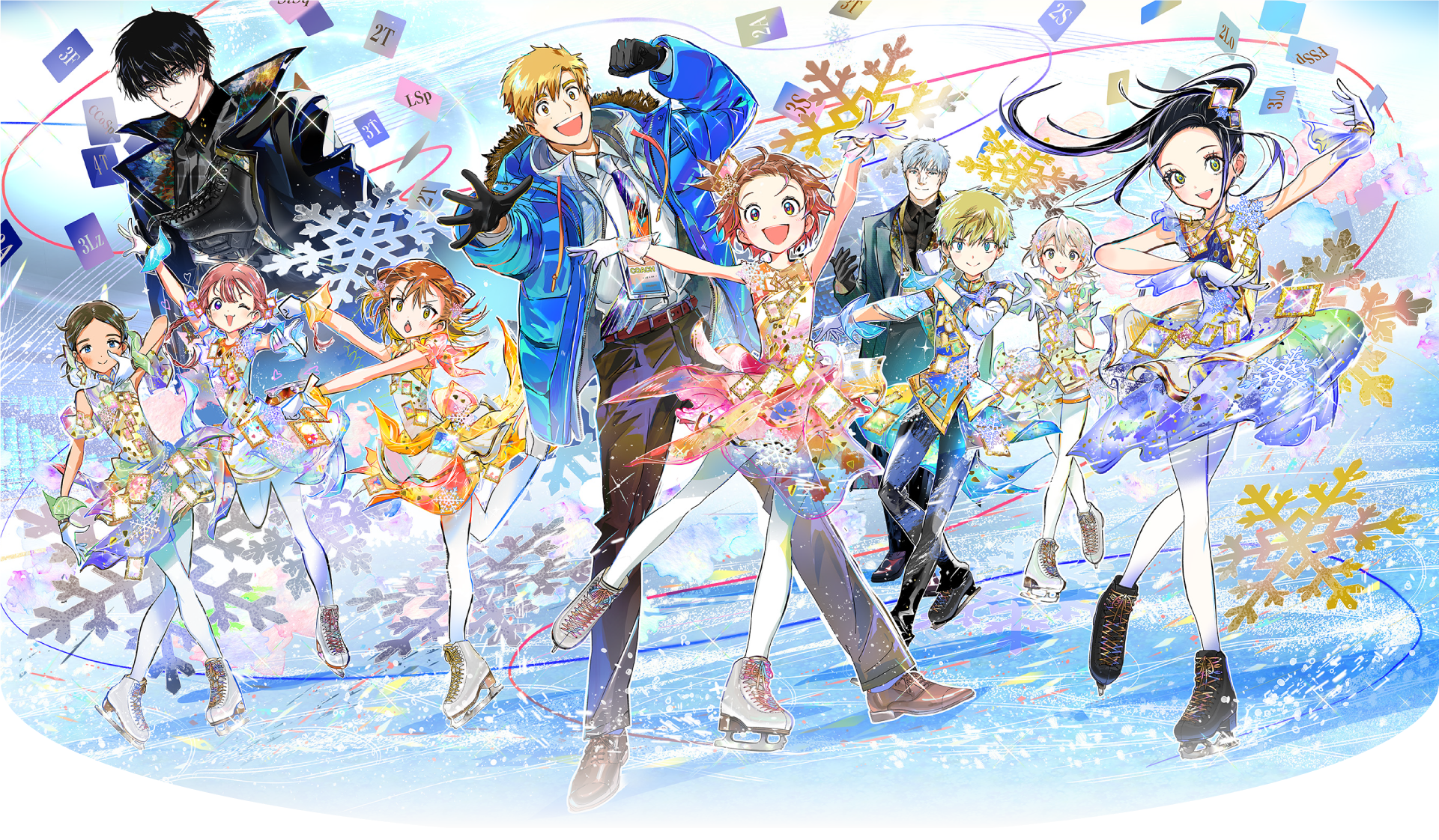
Introduction: What If Everyone Says You’re Starting Too Late?
Sports anime love talented young protagonists.
Someone discovers a gift.
A coach notices them.
And a dream begins.
Medalist starts somewhere much less comfortable.
Inori Yuitsuka wants to become a figure skater.
The problem is that, in competitive figure skating, she’s already starting later than many children around her.
People have reasons to doubt her.
Even her own circumstances seem to be telling her to choose something more realistic.
Then she meets Tsukasa Akeuraji.
And instead of asking whether her dream is reasonable, he decides to take it seriously.
That small difference becomes the heart of Medalist.
Because this isn’t simply a story about becoming the best skater.
It’s about what happens when someone finally believes that your dream deserves a chance.

Inori Isn’t a Prodigy Who Has Everything Figured Out
One of the easiest ways to write a sports story is to give the protagonist overwhelming natural talent.
Medalist doesn’t take that shortcut.
Inori clearly has potential, but potential alone isn’t enough.
She has to learn technique.
Build confidence.
Understand competition.
And catch up with skaters who began training much earlier.
That makes every improvement feel earned.
A successful jump isn’t just another step toward a higher score.
It represents hours of practice, frustration, fear, and the decision to try again.
The series understands something important about competition:
talent may open the door, but progress is built one attempt at a time.
Tsukasa Isn’t Just a Coach
Tsukasa is where Medalist becomes something more than a conventional sports anime.
He understands Inori because he knows what it feels like to chase figure skating from behind.
His own path as a skater didn’t unfold the way he once hoped.
So when he recognizes Inori’s determination, he’s not simply evaluating an athlete.
He’s looking at someone standing in front of a door that once felt almost impossible for him to open.
That gives their relationship unusual emotional weight.
Tsukasa teaches Inori how to skate.
But Inori also gives Tsukasa another reason to remain connected to the dream he once pursued himself.
They aren’t progressing in exactly the same way.
But they’re moving forward together.
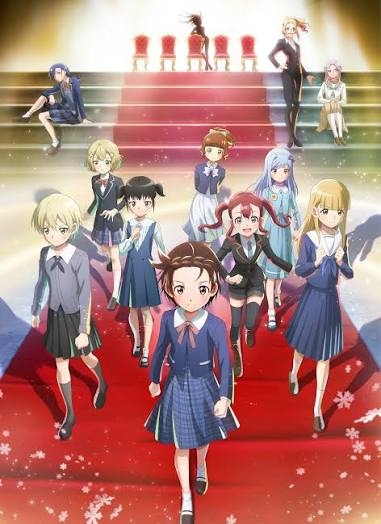
Figure Skating Makes Every Victory Feel Fragile
Figure skating is a perfect sport for this kind of story.
A performance can take months to prepare.
Then everything is judged within a few minutes.
A jump can succeed.
Or fail.
A tiny mistake can completely change a result.
And unlike many team sports, once a skater enters the rink, there’s nowhere to hide.
Medalist uses that pressure extremely well.
The technical side of figure skating—jumps, spins, footwork, scoring, and training—is important, but the series rarely turns those details into dry explanation.
Instead, they help us understand exactly why a moment matters.
Once you understand what Inori is attempting, even a few seconds on the ice can become incredibly tense.
Rivals Aren’t Just Obstacles to Defeat
Then there is Hikaru Kamisaki.
In a simpler sports story, someone with her talent could easily become the rival the protagonist must eventually defeat.
Medalist treats competition with more nuance.
Strong skaters don’t exist simply to make Inori look better.
They have their own goals, pressure, coaches, expectations, and reasons for wanting to win.
That’s important because Inori’s dream isn’t happening in isolation.
Everyone on the ice wants something.
Everyone has worked for it.
And only a few can stand on the podium.
The series never needs to make someone else less deserving in order to make us root for Inori.
That’s what makes the competition hurt—and what makes it exciting.
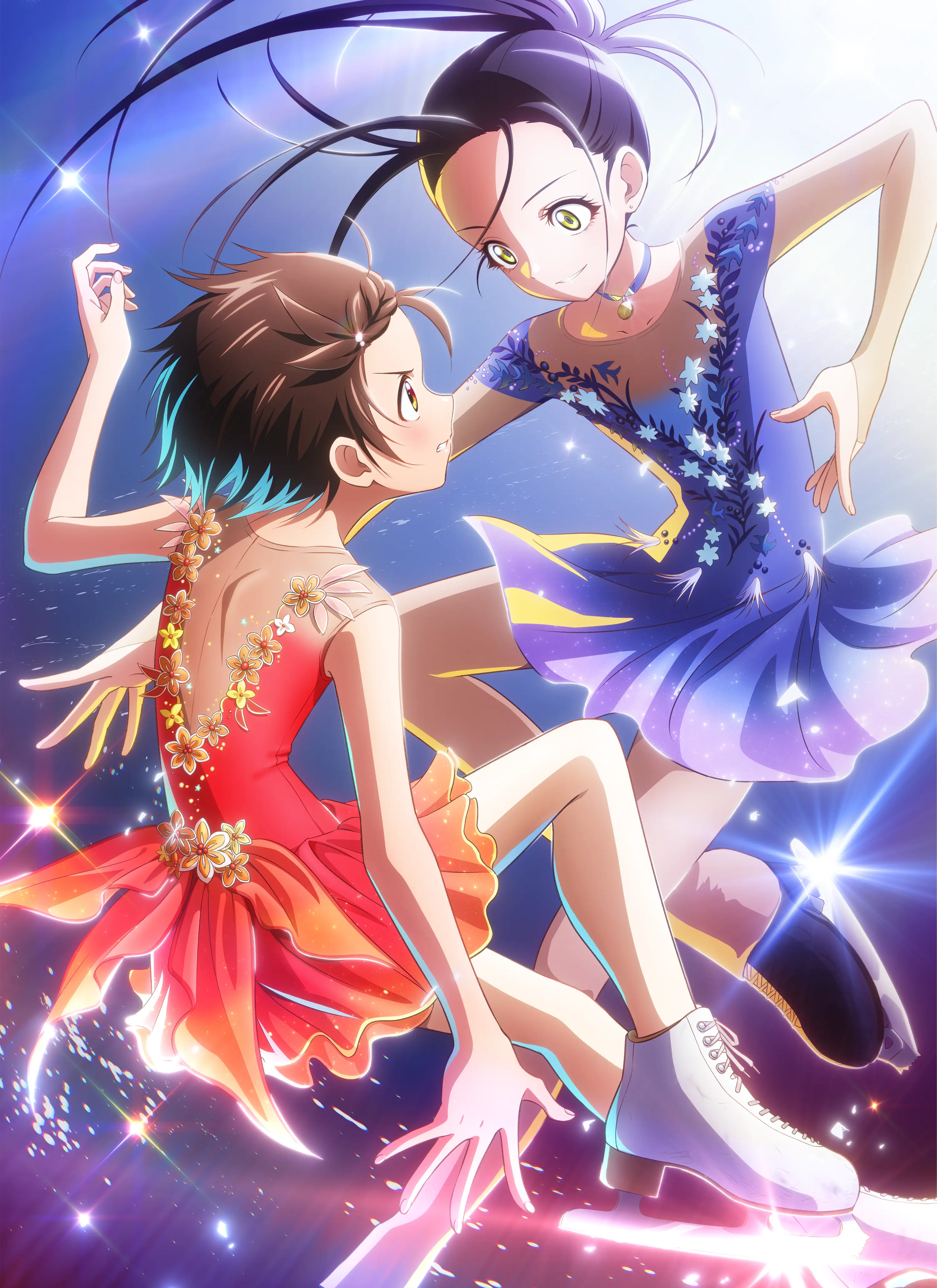
Why Medalist Connects With Viewers Beyond Sports Anime
You don’t need to understand figure skating to understand Medalist.
Because beneath all the jumps and competitions is a much more familiar feeling:
What if I started too late?
Too late to learn something.
Too late to chase a career.
Too late to become the person you once wanted to be.
Inori faces that fear as a child.
Tsukasa carries another version of it as an adult.
That’s why their relationship works so well.
Medalist doesn’t pretend that effort guarantees success.
It simply argues that being behind isn’t the same thing as being finished.
And that’s a much more powerful idea.
From the Ice to the Shelf: Why Medalist Merchandise Is Worth Watching
As Medalist reaches more anime fans, its growing character popularity also makes the series increasingly interesting from a collector’s perspective.
Popular Medalist merchandise includes:
- character figures
- acrylic stands
- can badges
- keychains
- illustration goods
- anime collaboration merchandise
- event-exclusive items
Inori and Hikaru are especially well suited to collectible merchandise because figure skating costumes give characters multiple visually distinct designs.
Competition outfits, key visuals, special illustrations, and collaboration artwork can all become separate collectible releases.
For overseas fans, Japan-exclusive events and limited collaborations are particularly worth watching, since some items may become considerably harder to find once their original sales period ends.
Japanese marketplaces can also be useful when searching for older Medalist merchandise or specific character designs that are no longer available through regular retail channels.
FAQ
What is Medalist about?
Medalist follows Inori Yuitsuka, a young girl determined to pursue competitive figure skating, and Tsukasa Akeuraji, the coach who recognizes her determination and decides to help her chase that dream.
Is Medalist a realistic figure skating anime?
The series incorporates real figure skating concepts such as training, jumps, competition structure, and scoring while keeping the emotional development of its characters at the center of the story.
Why is Medalist so popular?
Its detailed portrayal of figure skating is one reason, but the relationship between Inori and Tsukasa, its strong rival characters, and its focus on starting from behind give the series broader emotional appeal.
Who are the main characters in Medalist?
Inori Yuitsuka and her coach Tsukasa Akeuraji form the emotional core of the story, while talented skaters such as Hikaru Kamisaki play major roles in its competitive side.
What Medalist merchandise can fans collect?
Figures, acrylic stands, badges, keychains, illustration goods, collaboration products, and Japan-exclusive event merchandise are among the main collectible categories.
Final Thoughts
Winning a medal is right there in the title.
But Medalist understands that a medal only matters because of everything that happens before someone reaches the podium.
The falls.
The missed opportunities.
The people who doubt you.
The moments when you start wondering if they’re right.
And sometimes, one person who says:
Let’s try anyway.
That’s what makes Inori and Tsukasa’s story so easy to care about.
Medalist isn’t really asking whether everyone can become a champion.
It’s asking something more personal:
If your dream still matters to you, who gets to decide that it’s already too late?
Discussion
Which part of Medalist resonates with you more: Inori chasing a dream from behind, or Tsukasa getting another chance to pursue that dream through coaching?