Why Has Pokémon Lasted for 30 Years? A Complete Breakdown of Its Global Cultural Impact
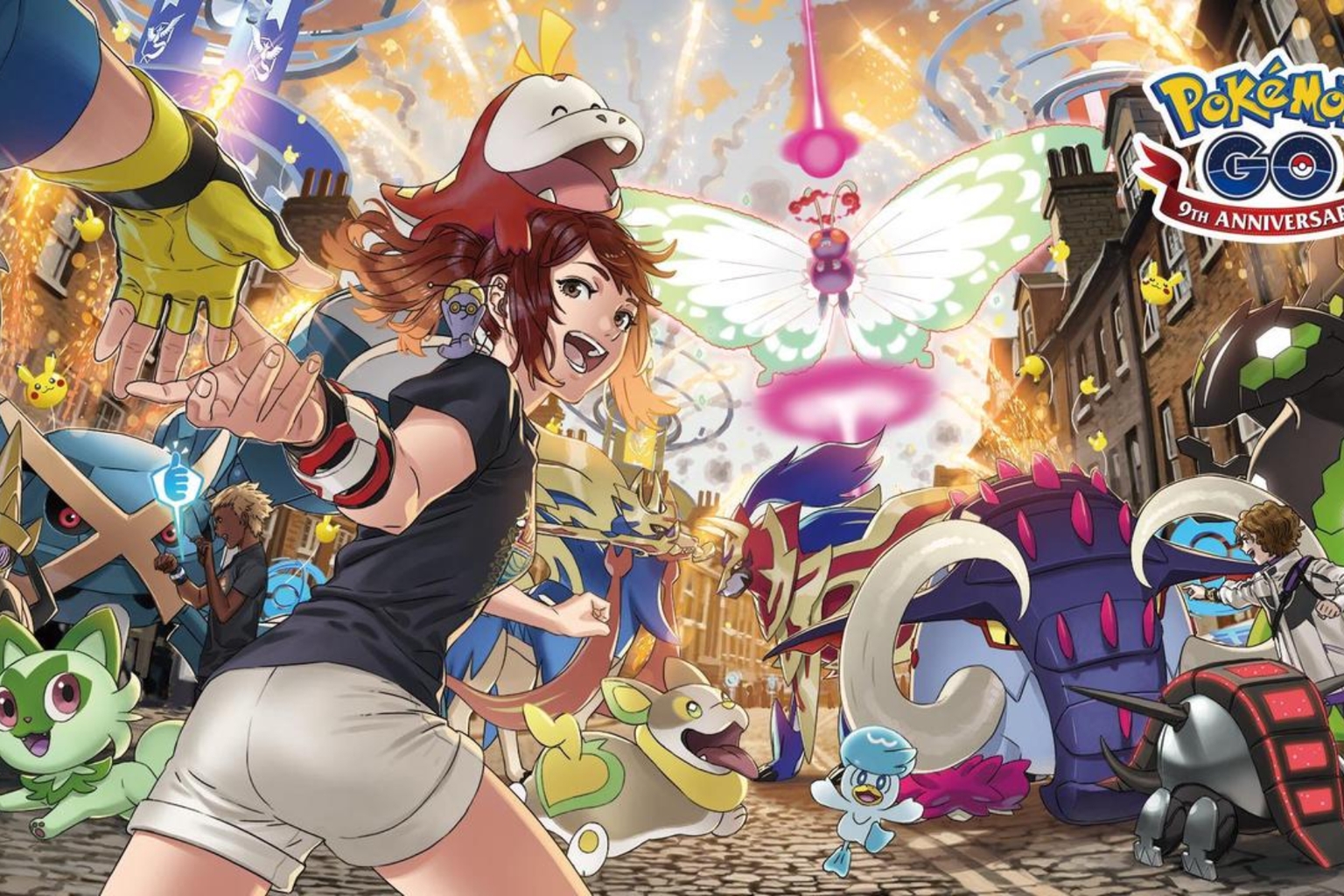
Introduction: More Than a Game, A Growing Cultural Influence
When people hear Pokémon, they often think of a monster-collecting game or Pikachu.
But over time, Pokémon has grown far beyond that — it has become a lasting cultural influence.
Since its debut in 1996 with Red/Green, the franchise has expanded across Nintendo Switch games, anime, films, trading cards, and merchandise, forming a cross-generational ecosystem.
What makes Pokémon different is simple:
You can step away for a while, but it’s hard to completely leave it behind.
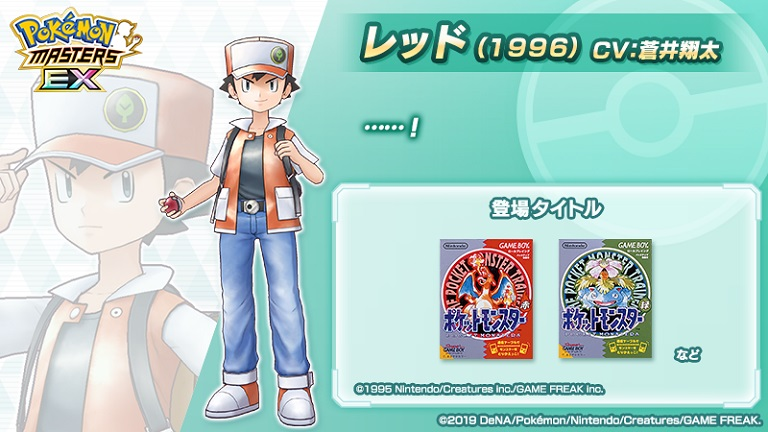
Core Gameplay: Why the RPG System Still Works
At first glance, Pokémon may seem simple. In reality, it is built on a highly refined RPG game system.
Collection and Progression: Long-Term Engagement
From the Kanto region to Paldea, there are now over 1,000 Pokémon.
This constant expansion creates an ongoing sense of purpose:
- discovering new Pokémon
- training and evolving them
- building a personal team
Players aren’t just finishing a game — they are continuously building something of their own.
Battle Depth: Strategy Through the Type Chart
Combat revolves around the type effectiveness chart:
- Water beats Fire, Fire beats Grass, Electric beats Water
- move combinations and team synergy
- prediction and counterplay
This balance allows Pokémon to appeal to both casual players and competitive audiences.
Cross-Media Strategy: Why Pokémon Always Has Something to Offer
Pokémon’s long-term success comes from its ability to expand beyond games into multiple formats.
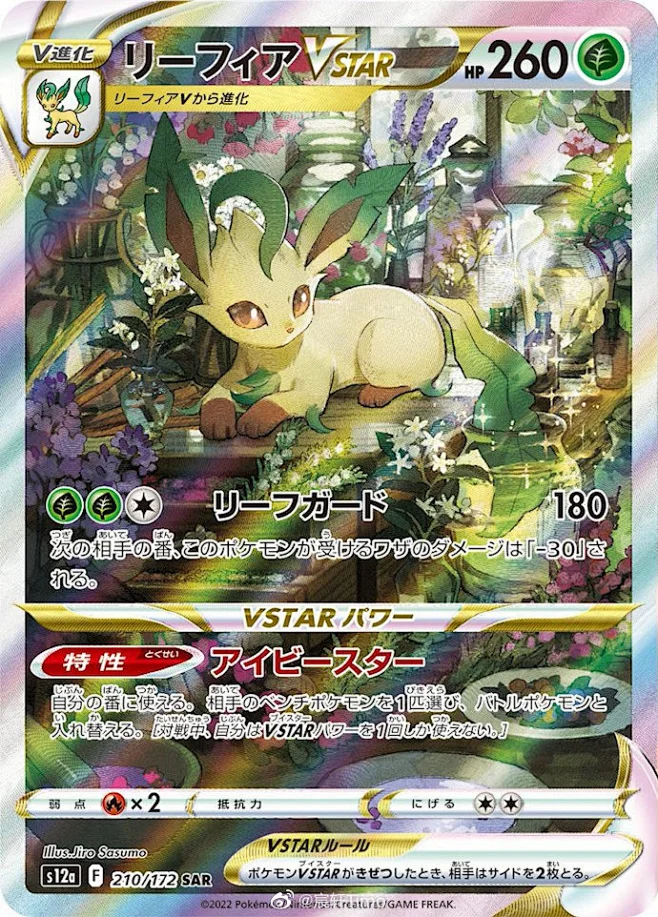
Pokémon Trading Card Game (PTCG): Collecting and Value
The Pokémon Trading Card Game (PTCG) has become a global collectible market:
- rare cards with increasing value
- randomized booster pack excitement
- trading and competitive play
For many fans, cards are their entry point into the franchise.
Merchandise and Collaborations: From Interest to Lifestyle
Pokémon merchandise spans across everyday life:
- figures and plush toys
- apparel collaborations (e.g., UNIQLO and streetwear brands)
- stationery and lifestyle goods
At this stage, Pokémon is no longer just content — it becomes part of daily life.
This is also why Pokémon performs consistently well on platforms like JPFinds.
Why Pokémon Remains Strong Globally
Pokémon’s success is not based on nostalgia alone. It continues to evolve:
- supported by Nintendo platforms
- developed by Game Freak
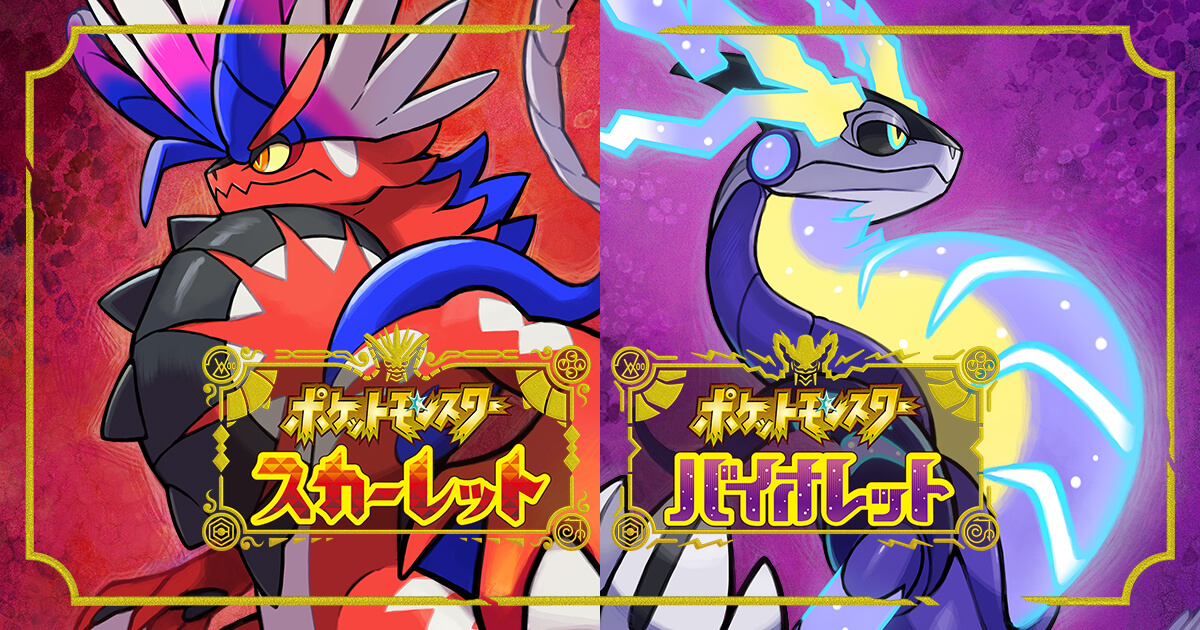
- regular releases on Nintendo Switch (e.g., Scarlet/Violet)
- real-world interaction through Pokémon GO
It doesn’t stay in the past — it keeps updating the experience.
FAQ
Q1: Will there be new Pokémon games in 2026?
Pokémon typically follows a consistent release cycle.
While nothing is officially confirmed, new mainline or spin-off titles are likely, pending official announcements.
Q2: Is the Pokémon Trading Card Game (PTCG) still worth collecting?
For collectors and enthusiasts, yes.
Limited editions and rare cards often retain or increase their value over time.
Q3: Where should beginners start — games, cards, or merchandise?
It depends on your interest:
- gameplay → Nintendo Switch titles
- collecting → PTCG cards
- lifestyle and display → merchandise
Final Thoughts
Pokémon has never relied on short-term hype.
Instead, it works in a quieter way:
You may not think about it for a while, but then you see a design, a card, or a character — and pause.
And before you know it, it turns into a simple thought:
“Maybe I’ll just get one more.”
Discussion
Which Pokémon generation is your favorite — Kanto, Hoenn, or Paldea?
Feel free to share your thoughts.